Escalation in the Gulf: US Launches Rare Daytime Strikes on Iranian Coastal Military Sites
US Central Command unleashes rare daytime attacks on Iranian coastal military sites, resulting in civilian casualties and escalating tensions in the Persian Gulf.
Unprecedented Daytime Operations
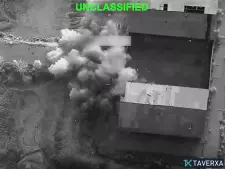
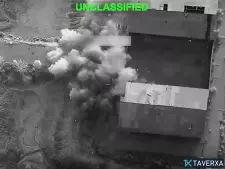
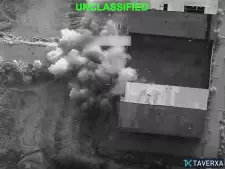
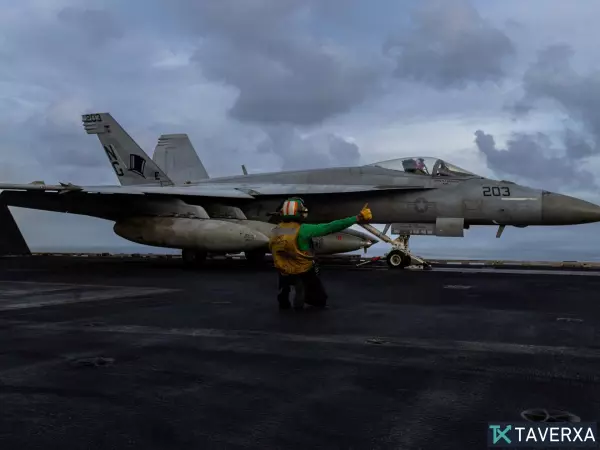
In a significant escalation of military hostilities, the United States Central Command (CENTCOM) has executed a series of rare daytime aerial assaults targeting strategic military installations along the southern coast of Iran. Unlike typical nighttime operations designed for stealth, these high-visibility strikes signal a shift in tactical approach and a heightened level of aggression in the ongoing conflict.
According to a statement released by US Central Command, the latest operation lasted approximately 90 minutes. The primary objective was the neutralization of coastal military infrastructure that the US alleges has been used to target and harass commercial shipping vessels in the critical waterways of the Persian Gulf.
Human Cost and Civilian Impact
While the US military focuses on the destruction of operational capabilities, the humanitarian toll on the ground is mounting. Iranian officials have reported a devastating impact on civilian populations in the southern regions. Over the past several days, the toll has risen sharply, with reports indicating that more than 30 civilians have been killed and approximately 260 others wounded as a result of the US bombing campaign.
The strikes have not only targeted military hardware but have also created a climate of terror among local residents. The use of daytime attacks has left little room for evacuation or preparation, exacerbating the casualty rates among non-combatants in the affected coastal provinces.
Strategic Objectives and the Battle for the Seas
The focus of these attacks is centered on the southern coast of Iran, a region vital for the control of the Strait of Hormuz. By targeting these installations, the US aims to dismantle Iran's ability to disrupt international maritime trade. Commercial shipping remains a focal point of the crisis, as both nations vie for dominance over one of the world's most important oil transit corridors.
The precision of the strikes, coupled with the timing, suggests a desire by the US to demonstrate overwhelming air superiority and a willingness to operate openly despite the risks of retaliation. This move comes amid a broader regional instability involving various proxies and direct confrontations between Tehran and Washington.
Regional Fallout and Future Outlook
The international community remains on high alert as the risk of a full-scale regional war grows. With Iranian soldiers and civilians falling and US assets heavily deployed in the area, the window for diplomatic resolution is narrowing. Analysts suggest that these rare daytime incursions may be a precursor to a more sustained campaign if the Iranian military continues to threaten commercial shipping routes.
As the crisis deepens, the focus now shifts to Tehran's response. With its coastal defenses compromised and civilian casualties rising, the Iranian leadership faces immense pressure to either escalate further or seek a ceasefire to prevent further degradation of its strategic assets.