Escalation in the Gulf: US Launches New Wave of Strikes Against Iranian Capabilities
US Central Command launches new strikes against Iran to protect shipping in the Strait of Hormuz, deploying innovative drone boats and maintaining port blockades.
Military Escalation in the Strait of Hormuz
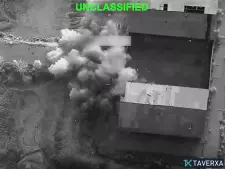
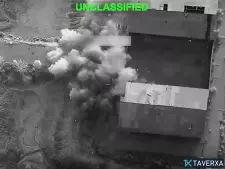
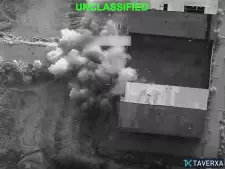
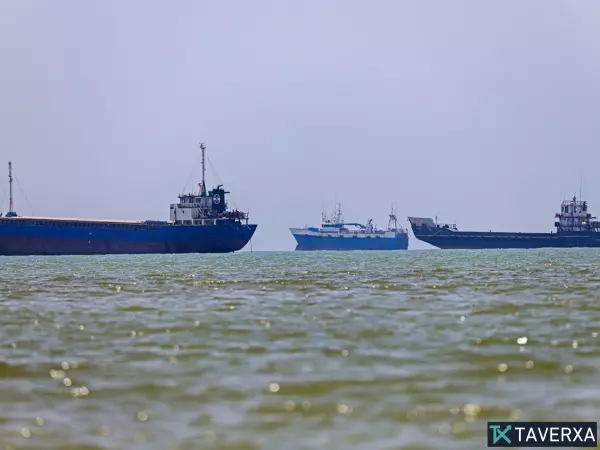
The geopolitical tension in the Middle East has reached a critical flashpoint as the United States Central Command (CENTCOM) announced the launch of an "additional round of strikes" targeting Iranian assets. According to official statements from CENTCOM, these precision military operations are designed to further degrade the capabilities used by Iran to harass and attack commercial shipping vessels operating within the strategically vital Strait of Hormuz.
The latest offensive follows a period of extreme volatility in the region, where the narrow waterway—responsible for a significant portion of the world's oil transit—has become a primary theater for the ongoing conflict between US-led forces and Iranian interests.
Innovative Warfare: The Use of Drone Boats
In a significant shift in tactical execution, reports indicate that the US military has deployed "drone boats" in a first-of-its-kind maritime attack. These unmanned surface vessels are being used to strike Iranian ships, signaling a new era of naval warfare where autonomous systems are leveraged to reduce risk to personnel while maintaining high-impact offensive capabilities. This evolution in strategy suggests that the US is seeking asymmetrical advantages to neutralize Iranian naval threats without escalating to full-scale fleet engagements.
The Trump Administration's Economic Volatility
Parallel to the military escalation, President Donald Trump has maintained a high-pressure stance on Iran's economy. The President has reiterated the US blockade of Iranian ports, a move intended to choke the flow of goods and oil, thereby exerting maximum pressure on the Iranian government to concede to US demands.
However, the economic strategy has seen sudden shifts. In a surprising reversal, President Trump has made a u-turn on his previous announcement regarding a 20-percent tariff. This sudden pivot in trade policy adds a layer of unpredictability to the US approach, blending aggressive military action with fluctuating economic sanctions.
The Fragile Path to Peace
The current strikes come at a time when the region is haunted by the memory of a short-lived accord. Previously, an agreement between the US and Iranian counterparts had suggested a reopening of the Strait of Hormuz and an end to the Middle East war. However, the resumption of strikes indicates that the diplomatic bridge has collapsed, or that the "two months of negotiations" mentioned in earlier peace attempts failed to produce sustainable security guarantees.
With the blockade still in effect and the US military actively targeting Iranian infrastructure, the international community remains on high alert for further escalation that could destabilize global energy markets and ignite a broader regional conflict.