Escalation in the Gulf: US Launches New Wave of Strikes Against Iranian Capabilities
US Central Command launches new strikes against Iran to protect shipping in the Strait of Hormuz as President Trump maintains a naval blockade and pivots on tariffs.
Military Escalation in the Strait of Hormuz
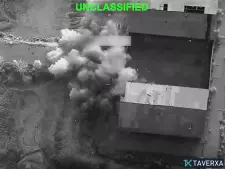
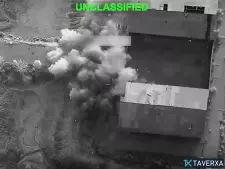
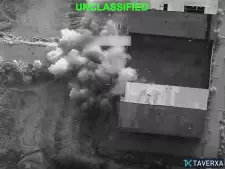
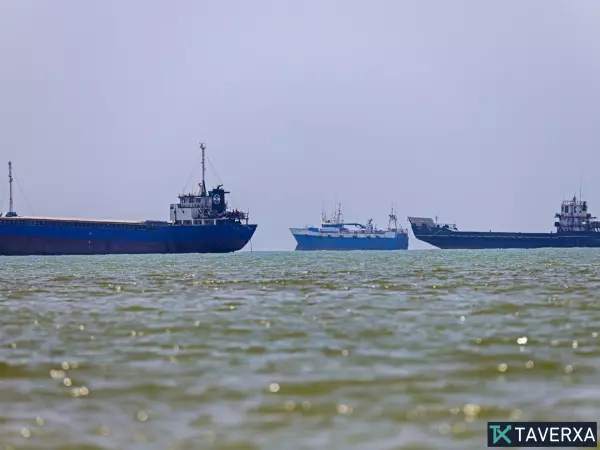
In a significant escalation of regional tensions, the United States Central Command (CENTCOM) has announced the commencement of an 'additional round of strikes' targeting strategic Iranian assets. These operations are specifically designed to degrade the capabilities that Iran utilizes to threaten and attack commercial shipping lanes within the Strait of Hormuz, one of the world's most critical maritime chokepoints.
The latest military action follows a period of extreme volatility in the Middle East. Reports indicate a diversified tactical approach, including the deployment of drone boats in first-of-its-kind attacks against Iranian vessels, signaling a shift toward asymmetric warfare to neutralize Iranian naval threats without relying solely on traditional aircraft or missile strikes.
Economic Warfare and Policy Shifts
Parallel to the military operations, the Trump administration is employing a complex strategy of economic pressure and sudden policy pivots. President Donald Trump recently reiterated the US blockade of Iranian ports, aiming to isolate the Iranian regime financially and logistically. This maritime blockade is intended to choke off the flow of goods and oil, further straining an already fragile Iranian economy.
However, in a surprising move, the President has executed a u-turn regarding his previously announced 20-percent tariff. This reversal suggests a tactical recalibration, perhaps aiming to maintain certain global economic stabilities or providing a narrow window for diplomatic leverage while the military offensive continues.
Strategic Implications for Global Trade
The focus on the Strait of Hormuz is not incidental. As a primary artery for global oil shipments, any instability in the region triggers immediate fluctuations in energy markets. The current conflict puts the global economy on edge, as the balance between military strikes and the reopening of shipping lanes remains precarious.
Analysts point to the 'Pickaxe Mountain' mystery and previous Memorandums of Understanding (MoUs) as indicators of the deep-seated volatility of this conflict. While there were fleeting hopes for a negotiated peace after separate accords were signed, the resumption of strikes suggests that trust between Washington and Tehran has completely eroded, leaving the region in a state of high-alert warfare.
Looking Ahead: The Path to De-escalation
The international community remains watchful as CENTCOM continues its campaign. The primary objective remains the security of commercial shipping, yet the risk of a full-scale regional war looms large. With the US utilizing advanced drone technology and strict naval blockades, the pressure on Iran is immense, but the potential for retaliatory strikes against US assets in the region remains a critical concern for global security experts.