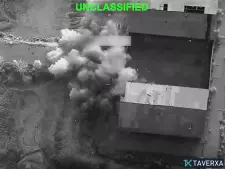
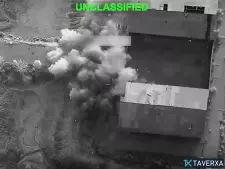
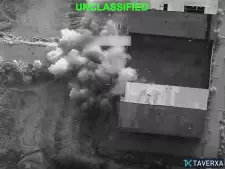
Escalation in the Gulf: US Launches New Wave of Strikes Against Iran Amid Port Blockade
The US launches new military strikes against Iran to protect commercial shipping in the Strait of Hormuz as President Trump reiterates a strict port blockade.
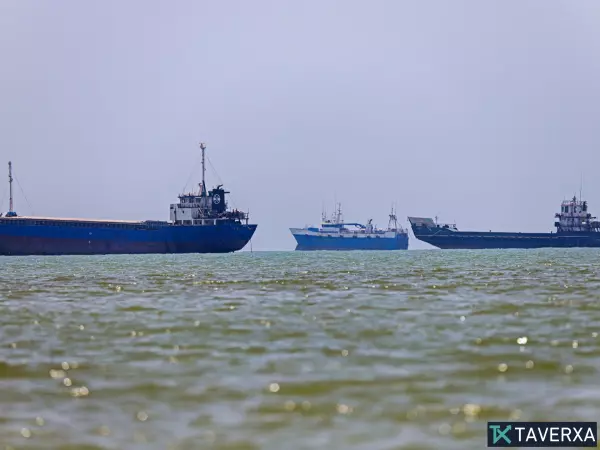
Heightened Tensions in the Strait of Hormuz
The volatile situation in the Middle East has reached a critical tipping point as the United States Central Command (CENTCOM) announced the commencement of an "additional round of strikes" targeting Iranian assets. The military operation is specifically designed to neutralize and degrade capabilities that Tehran has allegedly used to harass and attack commercial shipping lanes within the strategically vital Strait of Hormuz.
The latest offensive follows a period of extreme instability in the region, where the narrow waterway—responsible for a significant portion of the world's oil transit—has become a primary battleground for geopolitical leverage. The U.S. military asserts that these precision strikes are necessary to ensure the free flow of global commerce and to deter further Iranian aggression against international maritime vessels.
Trump’s Hardline Stance and Economic Warfare
Adding to the military pressure, President Donald Trump has utilized social media to reinforce a stringent naval blockade of Iranian ports. This move effectively isolates Iran from critical maritime trade, intensifying the economic squeeze on the Islamic Republic. The blockade is intended to cripple the logistical capabilities of the Iranian military and limit the state's ability to export resources.
In a surprising shift in economic strategy, President Trump has also performed a significant u-turn regarding his previously announced 20-percent tariff. While the specific motivations for this reversal remain a subject of intense debate among policy analysts, the pivot suggests a fluid approach to economic warfare, prioritizing the immediate strangulation of Iranian trade via blockade over broader trade tariffs.
The Strategic Significance of the Conflict
The conflict is not merely a series of isolated skirmishes but part of a broader effort to reshape the security architecture of the Persian Gulf. The U.S. has recently deployed innovative weaponry in the region, including the use of drone boats in first-of-their-kind attacks to strike Iranian ships, signaling a shift toward asymmetric warfare to maintain naval dominance.
Meanwhile, the region remains on edge following previous attempts at diplomacy. Despite earlier accords aimed at ending the Middle East war and reopening the Strait of Hormuz, the resumption of strikes indicates that the fragile peace process has collapsed, replaced by a cycle of retaliation and strategic posturing.
Global Implications and Oil Markets
The international community is watching closely as the risk of a full-scale war looms. Global energy markets have historically reacted sharply to instability in the Strait of Hormuz. Although oil prices had previously tumbled following a tentative accord between the U.S. and Iran, the current escalation threatens to trigger a new wave of price volatility as traders fear prolonged disruptions to oil exports.
As the U.S. continues its campaign to "degrade Iranian capabilities," the focus now shifts to how Tehran will respond. With the blockade in place and military strikes ongoing, the window for a diplomatic resolution appears to be closing, leaving the region in a state of high-alert anticipation.