Escalation in the Gulf: US Launches New Wave of Air Strikes on Iran Amidst Regional Chaos
The US launches a new wave of strikes on Iranian coastal installations as Tehran hits Gulf states, leading to significant civilian casualties and regional instability.
U.S. Central Command Initiates Fresh Offensive
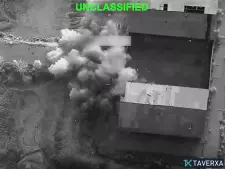
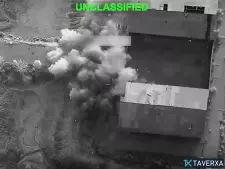
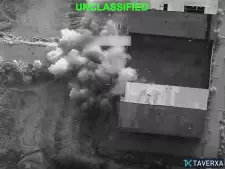
In a significant escalation of military hostilities, the United States Central Command (CENTCOM) has confirmed the launch of a new 'wave of strikes' targeting strategic locations within Iran. The operation, which commenced at 6:00 AM EST (13:00 GMT), is specifically designed to neutralize coastal military installations that the U.S. claims are being used to target commercial shipping lanes in the Persian Gulf.
This latest offensive follows a period of heightened tension and sporadic clashes, marking a shift toward more aggressive kinetic operations. According to U.S. officials, the primary objective is to safeguard international maritime trade and prevent further interference with commercial vessels navigating the volatile waters of the Strait of Hormuz.
Humanitarian Toll and Local Impact
The human cost of the conflict is mounting rapidly. Iranian officials report a grim toll over the past several days, stating that more than 30 civilians have been killed and approximately 260 others wounded as a result of U.S. air strikes concentrated in southern Iran. These attacks have disproportionately impacted the southern coastline, where military infrastructure is often situated near residential areas.
Local reports describe scenes of devastation in the south, with emergency services struggling to keep pace with the number of casualties. The strikes have created a climate of fear among the civilian population, as the scale of the engagement expands beyond targeted military assets.
Tehran's Counter-Response and Regional Stability
The conflict is not one-sided. Tehran has retaliated by striking targets across various Gulf states, utilizing a combination of missiles and drones to project power and signal its resolve. By hitting Gulf states, Iran is effectively widening the theater of war, drawing in regional allies of the United States and threatening the stability of the entire Arabian Peninsula.
Analysts suggest that Iran's strategy is to demonstrate that any U.S. attempt to secure the Gulf will be met with a cost that extends beyond Iranian borders. This 'axis' of influence, though reportedly in disarray following previous leadership crises, remains capable of delivering high-impact strikes that challenge the security architecture of the region.
Strategic Implications for Global Shipping
The focus on 'commercial shipping' is not coincidental. The Strait of Hormuz remains one of the world's most critical chokepoints for oil and gas. Any prolonged conflict in this corridor threatens to spike global energy prices and disrupt supply chains worldwide.
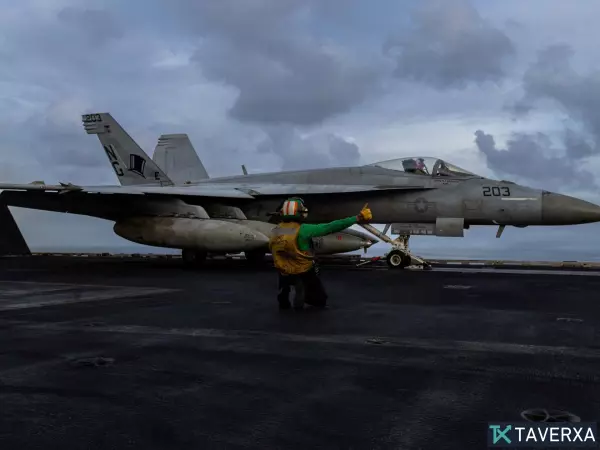
As the U.S. continues its campaign to dismantle Iranian coastal capabilities, the risk of a full-scale naval war grows. With the USS Abraham Lincoln and other Nimitz-class aircraft carriers operating in the vicinity, the military presence in the region is at its highest point in decades, leaving little room for diplomatic maneuvering as both sides double down on their military objectives.