Escalation in the Gulf: US Launches Multi-City Strikes on Iran Amid New Naval Blockade
The US has launched extensive strikes on Iranian coastal cities and implemented a naval blockade in the Strait of Hormuz, triggering retaliatory attacks from Iran across the Gulf.
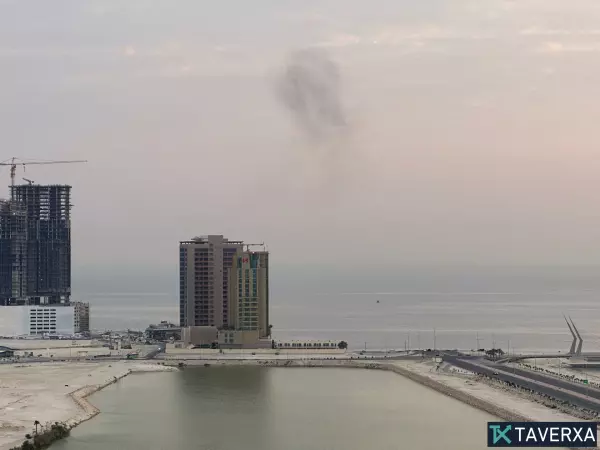
The Middle East has entered a volatile new phase of conflict as the United States carried out a series of intense aerial bombardments against Iranian targets for the third consecutive night. The escalation, ordered under the administration of President Donald Trump, has triggered a wide-ranging retaliatory campaign from Tehran, targeting international shipping and US military installations across the Persian Gulf.
US Air Campaign: Targeting Iran's Southern Coast
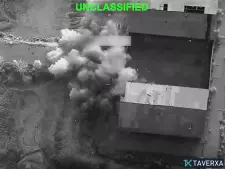
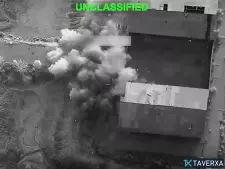
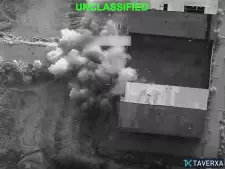
US Central Command (CENTCOM) confirmed that the latest wave of strikes began on Monday evening, lasting approximately five hours. The strategic objective, according to CENTCOM, was to degrade Iran's ability to launch attacks against commercial shipping and innocent civilians within the strategically vital Strait of Hormuz.
The military operations were comprehensive, with US forces striking key targets across several Iranian cities and ports, including Bandar Abbas, Bushehr, Chah Bahar, Jask, Konarak, and Abu Musa. Iranian state media corroborated reports of massive explosions throughout the night, specifically noting impacts in the town of Jam and on the islands of Kish and Qeshm. While regional officials in Bandar Abbas reported that one projectile struck the city, they maintained that no casualties were recorded in that specific incident.
Iran's Retaliation: A Regional Surge
In response to the US bombings, Iran's Islamic Revolutionary Guard Corps (IRGC) launched a multi-pronged retaliatory strategy aimed at US allies and military assets across the region.
- The United Arab Emirates: The UAE government confirmed that two of its oil tankers were struck by Iranian cruise missiles in Omani waters. Tragically, one Indian crew member was killed, and eight others were wounded in the attacks.
- Kuwait and Bahrain: Iranian forces deployed drones and missiles against US military infrastructure. In Kuwait, targets included Patriot missile systems, ammunition depots, and communication centers. In Bahrain, the IRGC claimed to have hit the US Fifth Fleet and the al-Juffair Base, targeting satellite communications and weapons storage.
- Jordan: The Jordanian army reported intercepting four missiles fired from Iran. While the IRGC admitted to targeting US airbases in Jordan, they issued a statement clarifying that they hold no animosity toward the Jordanian people, framing the operation as a protest against US involvement in the Gaza conflict.
The 'Pickaxe Mountain' Threat and Naval Blockades
Adding to the tension, President Trump has issued a direct warning regarding Kuh-e Kolang Gaz La, popularly known as "Pickaxe Mountain." This site, suspected of housing nuclear facilities near the Natanz enrichment plant, has become a primary target in Trump's strategy to dismantle Iran's nuclear capabilities.
Simultaneously, the US Navy, through the Joint Maritime Information Centre (JMIC), has implemented a comprehensive blockade covering all Iranian ports and terminals along its southern coastline. This move is designed to isolate Iran economically and militarily, though it significantly increases the risk of a full-scale maritime war.
Economic Shockwaves and Political Standoff
The geopolitical instability has immediately impacted global markets. Brent crude oil prices surged by over 9%, reaching approximately $81 a barrel. Shipping data from Kpler reveals a dramatic 52% drop in vessel crossings through the Strait of Hormuz between July 10 and July 12, as commercial operators flee the combat zone.
Despite the violence, President Trump has hinted that a "deal is still possible," though he has demanded that wealthy Gulf nations contribute financially to the cost of US maritime security. Meanwhile, the Iranian Parliament is moving to codify its defense of the Strait, with Ebrahim Azizi of the National Security Committee introducing a bill to manage the waterway, signaling that Tehran will not retreat from its "red lines."