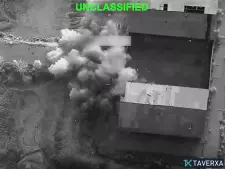
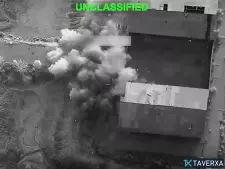
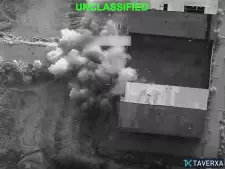
Escalation in the Gulf: US Intensifies Strikes on Iran as Strait of Hormuz Tensions Peak
US launches wide-scale attacks on Iranian islands and ports including Bandar Abbas, while Iran retaliates against US sites in Kuwait and Bahrain. Read more on the escalating Gulf war.
A Region on the Brink
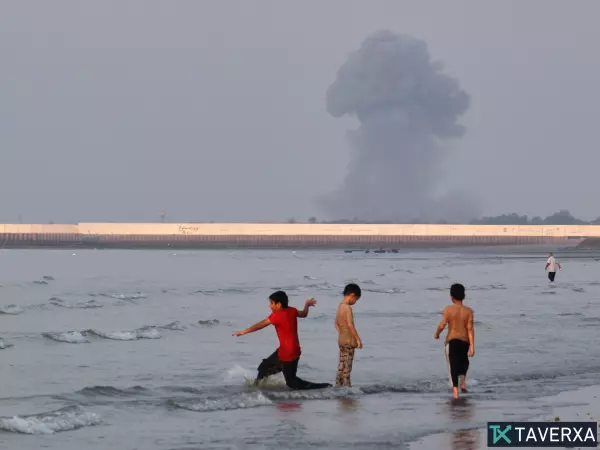
The Middle East has entered a perilous new phase of conflict as the United States launched a series of coordinated military strikes across southern Iran. The escalation marks a significant intensification of hostilities, with reports of explosions rocking several strategic coastal hubs and islands, threatening the stability of one of the world's most critical maritime chokepoints.
Strategic Targets: A Multi-Pronged Assault
According to Iranian media reports, US forces have targeted multiple locations simultaneously to disrupt Iranian military and logistics capabilities. The strikes were centered on the Persian Gulf coast, with explosions reported in:
- Bandar Abbas: A primary naval hub and strategic port.
- Bushehr: A key industrial area known for its energy infrastructure.
- Kish, Qeshm, and Jam Islands: Strategic outposts that allow Iran to project power over shipping lanes.
In a notable shift in tactical warfare, reports indicate the US deployed 'drone boats'—a first-of-its-kind attack—to strike Iranian shipping vessels, signaling a transition toward highly autonomous and asymmetric naval warfare.
Human Cost and Maritime Chaos
The conflict has spilled over into commercial shipping, with the United Arab Emirates (UAE) confirming at least one fatality following a strike on an oil tanker. This incident highlights the extreme risk currently facing civilian crews operating in the region. The Strait of Hormuz, through which a significant portion of the world's oil passes, has become a primary battleground, with both sides engaging in high-stakes brinkmanship.
Iran's Retaliation: Expanding the Theater of War
Tehran has not remained passive. In response to the US offensive, Iranian officials claim to have launched retaliatory strikes targeting US military installations in neighboring Kuwait and Bahrain. Furthermore, Iran reported the successful targeting of a "hostile vessel of the American enemy," suggesting that the conflict is no longer confined to Iranian soil but is expanding into a regional confrontation involving multiple sovereign nations.
The Geopolitical Fallout
This sudden spike in violence comes after a period of fragile diplomacy and previous Memorandums of Understanding (MoUs) intended to stabilize the Strait of Hormuz. The collapse of these agreements suggests a breakdown in communication between Washington and Tehran, with both parties now prioritizing military deterrence over diplomatic negotiation.
As the US and its allies maintain a heavy presence in the Gulf, the international community remains on high alert for a potential full-scale war that could trigger a global energy crisis and destabilize the broader Middle East.