Escalation in the Gulf: US Conducts Rare Daytime Strikes on Iranian Coastal Installations
US Central Command carries out rare daytime strikes on Iranian coastal military targets, resulting in civilian casualties and escalating tensions in the Persian Gulf.
US Central Command Intensifies Operations in Southern Iran
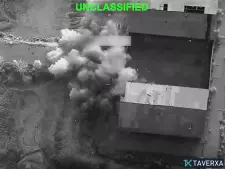
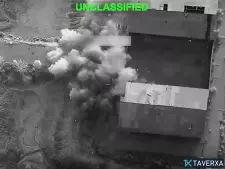
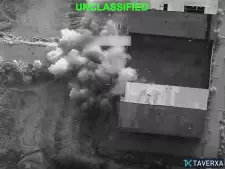
In a significant escalation of military hostilities, the United States Central Command (CENTCOM) has announced the conclusion of a targeted series of aerial bombardments directed at Iranian territory. Moving away from the standard operating procedure of nocturnal strikes, the US unleashed a rare wave of daytime attacks, signaling a heightened level of aggression and a shift in tactical approach toward Tehran.
The operation, which lasted approximately 90 minutes, focused specifically on neutralizing coastal military installations. According to US officials, these sites were being utilized to launch attacks and disrupt commercial shipping lanes, which are vital for global trade and energy security in the Persian Gulf region.
Humanitarian Toll and Local Impact
While the US military focused on strategic targets, the humanitarian consequences on the ground have been severe. Iranian officials report a devastating toll from the strikes conducted over the past several days. Official reports indicate that more than 30 civilians have been killed and an estimated 260 individuals have been wounded in the southern regions of the country.
Additionally, the most recent wave of attacks resulted in the deaths of seven Iranian soldiers. The concentration of strikes in southern Iran suggests that the coastline has become the primary theater of conflict, as both nations struggle for dominance over the strategic waterways of the Strait of Hormuz.
Strategic Context: A Region on the Brink
This surge in violence comes amidst a broader period of instability. Recent reports indicate a state of disarray within Iran's 'axis' of influence, following leadership crises and internal turmoil. The US strikes appear designed to degrade Iran's capability to project power over international shipping, which has faced increasing threats from Tehran-backed forces.
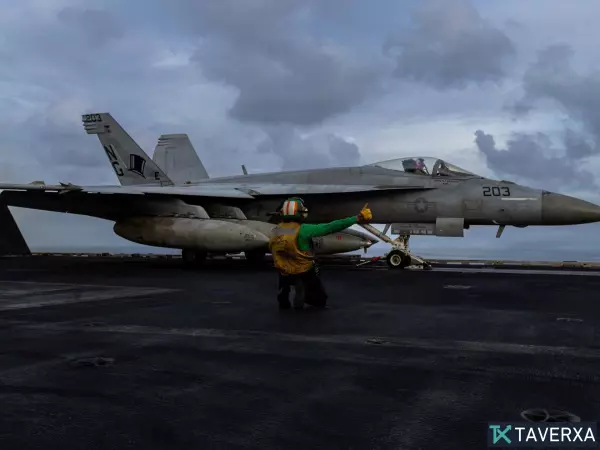
The use of daytime sorties is particularly noteworthy. Military analysts suggest that daytime attacks are often intended to demonstrate clear air superiority and serve as a psychological deterrent, leaving little room for concealment or surprise. This move likely serves as a direct response to Iranian attempts to disrupt Gulf tankers and challenge the presence of US naval assets, including Nimitz-class aircraft carriers like the USS Abraham Lincoln.
Global Implications and Future Outlook
As the conflict intensifies, the international community remains concerned about the possibility of a wider regional war. The risk of Gulf states being drawn into the conflict is rising, especially as the economic stakes of shipping disruptions grow. With the US continuing to target critical infrastructure and Iran facing significant casualties, the window for diplomatic resolution is narrowing, leaving the region in a precarious state of high-alert military readiness.