Escalation in the Gulf: Trump Reverses Hormuz Tariff Plan as US Strikes Hit Major Iranian Cities
President Trump reverses his 20% Hormuz tariff plan while intensifying military strikes on Iranian port cities including Bushehr and Bandar Abbas. Read more on the US blockade.
A Strategic Shift in Economic Warfare
In a sudden and significant pivot of foreign policy, President Donald Trump has announced a complete reversal of his plan to impose a 20-percent tariff on goods passing through the Strait of Hormuz. The decision, communicated via a social media post, signals a departure from the previous economic strategy, replacing the proposed blanket tariffs with a new focus on 'trade and investment' deals. This u-turn comes at a moment of extreme volatility in the Persian Gulf, as the United States attempts to balance aggressive military posture with nuanced economic leverage.
Military Escalation: Strikes Across Iran
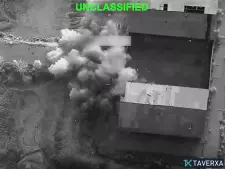
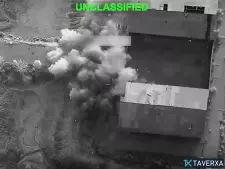
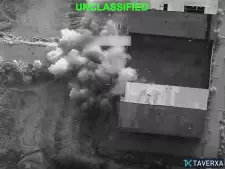
While the economic approach has shifted, the military offensive has intensified. Reports from Iranian state media and international observers confirm a wave of coordinated US military strikes targeting key strategic hubs. Explosions have been reported in several critical port cities, including Bushehr, Bandar Abbas, Mahshahr, and Abadan. These cities are vital to Iran's oil export infrastructure and naval capabilities, making them high-priority targets in the ongoing conflict.
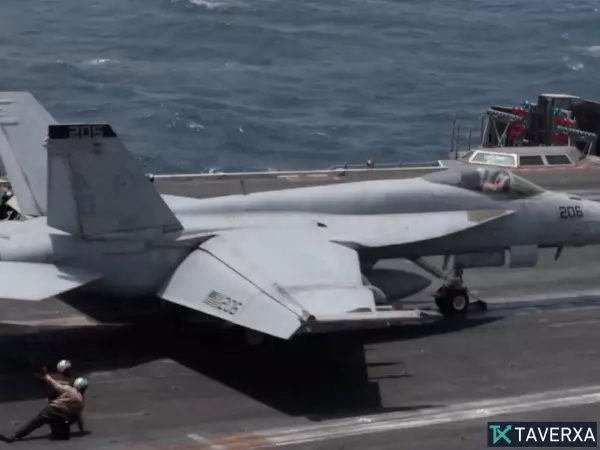
In a first-of-its-kind operation, the US military utilized drone boats to strike Iranian vessels, showcasing a new era of asymmetric warfare in the region. Footage released by US Central Command (CENTCOM) depicts high-intensity flight operations aboard the USS George H.W. Bush, underscoring the massive naval presence deployed to maintain the blockade and execute precision strikes.
The Blockade and Geopolitical Pressure
Despite the reversal on the 20-percent tariff, President Trump reiterated that the US blockade of Iranian ports remains firmly in place. The blockade is intended to choke the flow of Iranian resources and exert maximum pressure on the administration in Tehran. By maintaining the blockade while abandoning the tariffs, the US appears to be attempting to isolate the Iranian regime without triggering a broader global economic shock that tariffs on the Strait—one of the world's most important oil chokepoints—might have caused.
Analyzing the 'Trade and Investment' Pivot
Analysts suggest that the shift toward 'trade and investment deals' may be a calculated move to incentivize specific factions within Iran or to create a diplomatic off-ramp for potential negotiations. However, this economic carrot is currently paired with a very heavy military stick. The ongoing strikes on critical infrastructure suggest that the US is seeking to degrade Iran's operational capacity before bringing them to the negotiating table.
Global Implications for Energy and Security
The volatility in the Strait of Hormuz continues to send ripples through global energy markets. With major port cities under attack and a blockade in effect, the stability of global oil supplies remains precarious. The international community continues to watch closely as the US-Israel-Iran conflict reaches a fever pitch, with the risk of total regional war looming over every diplomatic gesture.