Escalation in the Gulf: Trump Announces US Blockade of Iran and Control of Strait of Hormuz
President Trump announces a US naval blockade of Iran and plans to charge ships for passage through the Strait of Hormuz amid escalating military strikes.
A New Era of Naval Confrontation
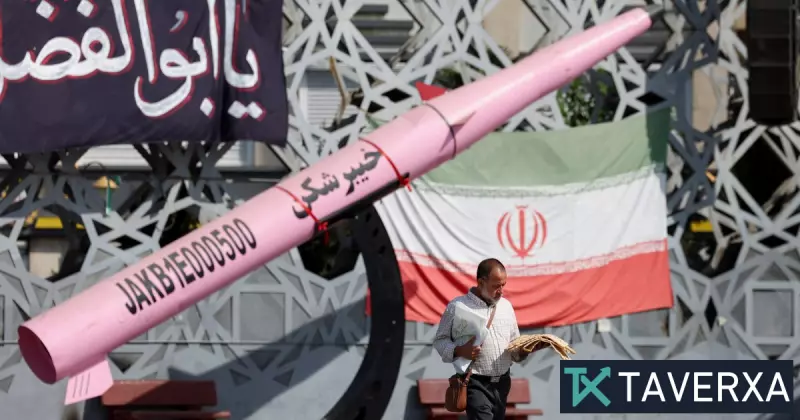
The geopolitical landscape of the Middle East has entered a volatile new phase as U.S. President Donald Trump announced the formal reinstatement of a naval blockade against Iran. This aggressive move is aimed at seizing strategic control over the Strait of Hormuz, one of the world's most critical maritime chokepoints. In a bold assertion of American power, President Trump stated that the United States will not only secure the waterway but intends to "get paid a lot of money" by charging shipping vessels for passage and protection through the guarded corridor.
Military Strikes and Coastal Devastation
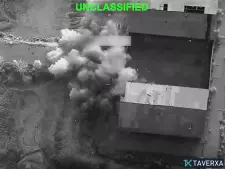
The announcement comes amidst a surge of kinetic activity. Iranian state media have reported widespread explosions across several key port cities, including Bandar Abbas, Sirik, and Jask, as well as the strategically positioned Qeshm Island. These reports follow a series of renewed U.S. bombardments targeting Iran's southern coast, marking a significant escalation in the direct military confrontation between Washington and Tehran.
Iran's Retaliatory Response
Tehran has not remained passive in the face of these strikes. The Iranian government claims to have launched retaliatory missile and drone attacks targeting U.S. military installations across the region. Specifically, Iran asserts that it has hit military sites in Bahrain, Kuwait, Oman, and Jordan. These strikes are framed as a direct response to the U.S. air campaign, signaling Iran's willingness to expand the theater of war to include neighboring Gulf states to pressure the U.S. into lifting its blockade.
Global Economic Implications
The prospect of a U.S.-controlled blockade and the charging of transit fees has sent shockwaves through global energy markets. With a significant portion of the world's oil passing through the Strait of Hormuz, any instability or artificial restriction of movement leads to immediate spikes in oil prices. Analysts warn that the transition of the Strait from a free international waterway to a paid, U.S.-guarded zone could reshape global trade logistics and increase the cost of energy worldwide.
The Strategic Standoff
The current situation represents a high-stakes gamble. By combining economic warfare (the blockade and transit fees) with targeted military strikes, the Trump administration seeks to cripple Iran's ability to project power and fund its regional proxies. However, the retaliation from Iran and the involvement of other Gulf nations suggest a risk of a wider regional conflagration that could destabilize the entire Middle East and disrupt the global economy for years to come.