Escalation in the Gulf: Trump Announces Naval Blockade of Iran and Control of Strait of Hormuz
President Trump announces a naval blockade on Iran and plans to charge ships for passage through the Strait of Hormuz amid escalating strikes in the Gulf.
A New Era of Naval Confrontation
The geopolitical tension in the Middle East has reached a critical tipping point as U.S. President Donald Trump announced the formal "reinstatement" of a naval blockade against Iran. This aggressive strategic shift aims to secure absolute control over the Strait of Hormuz, one of the world's most vital maritime chokepoints for global energy supplies. In a move that blends military dominance with economic pragmatism, President Trump asserted that the United States will not only police the waterway but will charge shipping companies for the security provided, claiming the U.S. will "get paid a lot of money" for guarding the strategic passage.
Military Strikes and Regional Fallout
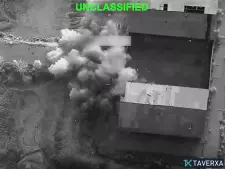
The announcement comes amidst a surge of kinetic activity across the region. Iranian state media have reported significant explosions hitting several key port cities and strategic locations, including Bandar Abbas, Sirik, Jask, and Qeshm Island. These reports suggest a coordinated U.S. bombing campaign targeting Iran's southern coastal infrastructure to weaken its ability to disrupt shipping lanes.
In a swift and volatile response, Tehran has claimed to have launched retaliatory strikes against U.S. military installations. Iran has further extended its reach by targeting assets in Bahrain, Kuwait, Oman, and Jordan, framing these attacks as a direct consequence of Washington's renewed bombardment of Iranian territory.
The Strategic Importance of the Strait of Hormuz
The Strait of Hormuz is the only sailed sea exit for Iran and a primary artery for oil exports from the Gulf states. By reinstating a blockade, the U.S. is effectively placing a stranglehold on Iranian commerce and attempting to dictate the terms of transit for global oil tankers. This move has sent shockwaves through global energy markets, with oil prices surging as traders price in the risk of a full-scale maritime war.
Economic Warfare and Global Implications
The prospect of the U.S. charging a "passage fee" or security levy for ships transiting the Strait is an unprecedented move in international maritime law. If implemented, this could redefine the concept of "freedom of navigation" and place the U.S. in a role of a maritime toll-keeper, further escalating the economic war against the Iranian regime.
Diplomats warn that the collapse of previous understandings and the resumption of airstrikes may signal the end of any immediate hope for peace talks, pushing the region toward a broader conflict involving multiple Gulf nations and their respective allies.