Escalation in the Gulf: India Summons Iranian Envoy Following Fatal Attacks on Tankers
India summons Iran's envoy after a sailor's death in missile attacks on tankers, while the US launches innovative sea drone strikes on Iranian naval facilities.
Regional Tension Peaks as Maritime Violence Surges
The geopolitical landscape of the Middle East has entered a volatile new phase as a series of coordinated strikes and retaliatory maneuvers heighten the risk of a full-scale regional conflict. Tensions reached a breaking point this week after reports emerged of Iranian cruise missiles targeting maritime vessels in the Strait of Hormuz, resulting in casualties and diplomatic fallout.
Diplomatic Fallout: India Intervenes
In a significant diplomatic escalation, the Indian government has officially summoned Iran’s deputy ambassador to New Delhi. The move follows a tragic incident where an Indian crew member was killed and several others were wounded during Iranian attacks on tankers. India, which maintains critical trade ties with both the West and Iran, has expressed grave concern over the safety of its nationals and the stability of international shipping lanes.
UAE Under Fire in the Strait of Hormuz
The United Arab Emirates (UAE) has confirmed that two of its national tankers were struck by Iranian cruise missiles. The Strait of Hormuz, a vital artery for global energy supplies, has once again become a primary theater of war. These attacks are seen as part of a broader strategy by Tehran to project power and respond to perceived threats from Western forces operating in the region.
US Military Response and 'Sea Drone' Warfare
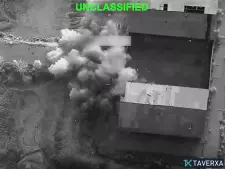
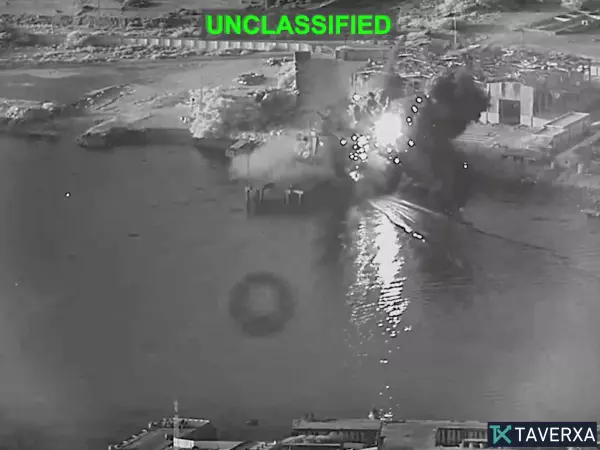
In response to Iranian aggression, the United States has intensified its military operations. U.S. Central Command (CENTCOM) has reported a series of strikes against Iranian infrastructure. In a first-of-its-kind tactical move, the US deployed one-way attack surface drones—essentially high-speed explosive boats—to target a submarine and ship maintenance facility in Bandar Abbas.
Iranian media outlets have reported massive explosions across several key locations, including the strategic islands of Kish and Qeshm, as well as the port cities of Bushehr and Bandar Abbas. These strikes target the very heart of Iran's naval and logistical capabilities.
The Cycle of Retaliation
Tehran claims that its recent actions are retaliatory strikes targeting US military installations in neighboring Kuwait, Bahrain, and Jordan. This 'tit-for-tat' cycle suggests a breakdown in the diplomatic frameworks that previously sought to prevent direct confrontation. With both the US and Iran engaging in high-tech warfare—ranging from cruise missiles to autonomous sea drones—the margin for error is slim, and the potential for accidental escalation is at an all-time high.
Global Economic Implications
The volatility in the Strait of Hormuz threatens to disrupt global oil markets. As insurance premiums for shipping rise and tankers face direct kinetic threats, the international community fears a spike in energy prices that could destabilize global economies already struggling with inflation.