Escalation in the Gulf: India Summons Iranian Envoy as US-Iran Conflict Intensifies
India summons Iran's envoy after a sailor's death as the US and Iran engage in escalating strikes involving sea drones and cruise missiles in the Strait of Hormuz.
A Region on the Brink: The Escalating US-Iran Conflict
The geopolitical tension in the Middle East has reached a critical flashpoint as a series of coordinated strikes and retaliatory maneuvers push the United States, Iran, and several regional allies toward a potentially catastrophic confrontation. What began as targeted strategic strikes has evolved into a wide-ranging conflict affecting international shipping lanes and diplomatic relations across Asia and the Middle East.
India's Diplomatic Outrage Over Maritime Casualties
In a significant diplomatic escalation, the Indian government has officially summoned Iran's deputy ambassador. This move follows a lethal attack on maritime vessels in the Strait of Hormuz, which resulted in the death of an Indian crew member and left several other sailors wounded. India, which maintains a delicate balancing act in its relations with both Washington and Tehran, has expressed grave concern over the safety of its nationals in the volatile region.
The summoning of the envoy signals a shift in New Delhi's stance, highlighting that the collateral damage of the US-Iran proxy war is now directly impacting non-combatant nations and their citizens.
Iranian Retaliation: Targeting US Bases and Global Trade
Tehran has claimed responsibility for a series of retaliatory strikes aimed at US military installations and strategic interests. According to official reports from Iran, cruise missiles and other munitions were deployed against US sites in Kuwait, Bahrain, and Jordan. These attacks are framed by Tehran as a necessary response to ongoing US aggression.
Further complicating the crisis is the targeting of commercial shipping. The United Arab Emirates (UAE) has confirmed that two of its national tankers were hit by Iranian cruise missiles in the Strait of Hormuz—one of the world's most vital oil transit chokepoints. Such attacks threaten global energy security and risk triggering a broader international naval response.
US Central Command Deploys Next-Gen Warfare
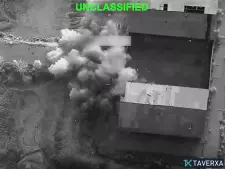
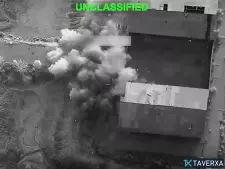
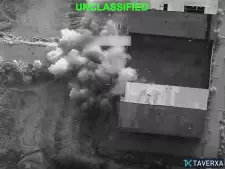
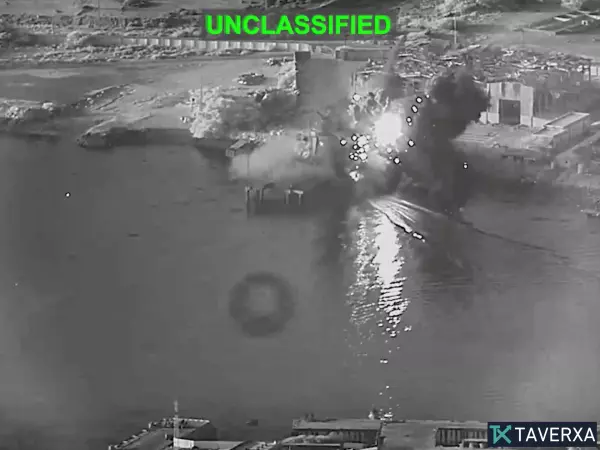
In response to Iranian provocations, the US has intensified its offensive operations. U.S. Central Command (CENTCOM) recently showcased a first-of-its-kind attack utilizing "one-way attack surface drones" (sea drones). Footage released by the military shows smoke billowing from a submarine and ship maintenance facility in Bandar Abbas, Iran, following a successful drone strike.
Iranian media have reported subsequent explosions and strikes across several key locations, including the islands of Kish and Qeshm, as well as the strategic port cities of Bushehr and Bandar Abbas. The use of autonomous maritime drones marks a new era of naval warfare in the Gulf, increasing the precision and lethality of US operations.
The Global Implications of a Hormuz Crisis
The Strait of Hormuz is the artery through which a significant portion of the world's oil flows. With both the US and Iran engaging in direct kinetic warfare within these waters, the risk of a global economic shock is imminent. As diplomatic channels fray and the "trust is broken," the international community looks toward potential mediators, such as Pakistan, to bring the warring parties back to the negotiating table before the conflict spirals into a full-scale regional war.