Escalation in the Black Sea: Deadly Odesa Strikes and Ukraine’s Counter-Naval Offensive
Deadly Russian missile strikes on Odesa port infrastructure prompt a massive Ukrainian counter-offensive against Russian vessels in the Black Sea as the war enters a new, volatile phase.
The conflict between Russia and Ukraine has reached a volatile new inflection point, characterized by a dual-pronged intensification of attacks on critical port infrastructure and maritime logistics in the Black Sea. Over the past several days, the southern Ukrainian region of Odesa has endured a relentless barrage of Russian missile and drone strikes, resulting in civilian casualties and significant damage to industrial facilities.
Deadly Strikes on Odesa
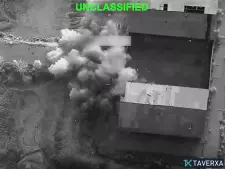
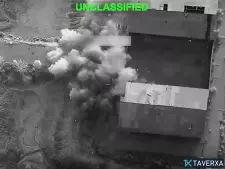
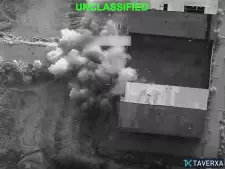
Governor Oleh Kiper confirmed that the Odesa region has been subjected to a massive, sustained offensive lasting five days. The Russian Ministry of Defence admitted to targeting the ports of Odesa and Chernomorsk, alleging that these sites were being utilized for fuel storage and the assembly of military drones. Unfortunately, the cost of these operations has been high for the civilian population, with city officials reporting that at least three people were killed and three others injured in the latest wave of attacks. These ports remain the lifelines of Ukraine’s wartime economy, facilitating the export of grain and essential cargo to global markets.
Ukraine’s Maritime Retaliation
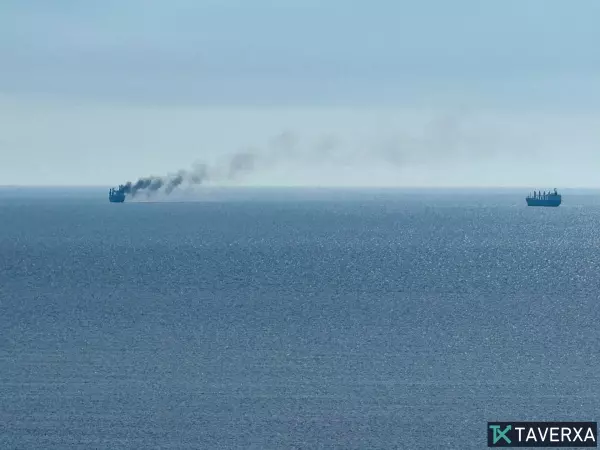
In a coordinated response aimed at crippling Russian logistics, Kyiv has ramped up its own offensive capabilities at sea. Robert Brovdi, commander of Ukraine’s drone forces, reported that Ukrainian operations have successfully targeted a significant number of Russian vessels, including 17 oil tankers, two gas tankers, and a tugboat. Kyiv’s strategy appears focused on isolating the Russian-occupied Crimea and disrupting the supply chains that fuel Moscow’s presence in southern Ukraine. This aggressive campaign has drawn sharp condemnation from the Kremlin, with Foreign Minister Sergey Lavrov labeling the strikes on Russian shipping as 'terrorism.' Moscow is reportedly scrambling to develop alternative export routes through the Sea of Azov to bypass the hazardous zones.
Diplomatic and Defense Integration
As the kinetic war intensifies, the political landscape is also shifting. European Commission President Ursula von der Leyen arrived in Kyiv to reinforce ties, announcing new initiatives designed to accelerate the integration of Ukraine’s defense industry with European systems. By streamlining manufacturing, the EU aims to bolster Ukraine’s capacity to produce munitions and defensive hardware more rapidly, signaling a long-term commitment to maintaining the regional balance of power against ongoing Russian aggression.