Escalation at the Strait: US Reinstates Iran Blockade as Tensions Reach Boiling Point
President Trump announces a new US-led blockade on the Strait of Hormuz, charging ships for passage as military strikes escalate between the US and Iran across the Gulf.
A New Chapter in Maritime Conflict
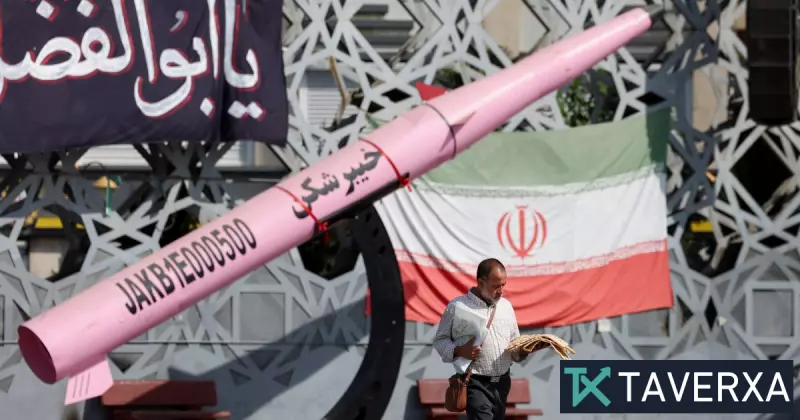
The geopolitical landscape of the Middle East has shifted dramatically as President Donald Trump announced the formal reinstatement of a US-led blockade on Iran. This decisive move is aimed at securing control over the Strait of Hormuz, a critical global artery for oil transit. Under this new directive, the United States has declared its intent to impose charges on commercial vessels passing through the waterway, framing the action as a security measure for which Washington expects substantial financial compensation.
Retaliatory Strikes and Regional Unrest
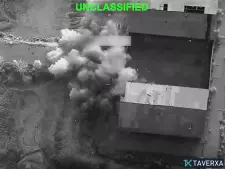
The announcement follows a harrowing night of intensified military activity across the region. Iranian state media has confirmed a series of significant explosions hitting key port cities including Bandar Abbas, Sirik, and Jask, as well as critical infrastructure on Qeshm Island. These strikes occurred in the wake of renewed US bombardment along Iran’s southern coastline.
In a direct response to these operations, Iranian authorities have claimed responsibility for retaliatory strikes targeting US military sites in neighboring nations, including Bahrain, Kuwait, Oman, and Jordan. Tehran characterizes these actions as a necessary defense against Washington’s escalating military pressure, further complicating the already volatile security situation in the Gulf.
Economic and Strategic Implications
The decision to charge ships for passage through the Strait of Hormuz has sent shockwaves through global markets, with oil prices experiencing significant volatility. By transforming the strategic waterway into a toll-gated zone under US military supervision, the administration is effectively attempting to redefine maritime security protocols. Analysts warn that this aggressive stance could lead to a prolonged period of instability, threatening global supply chains and significantly increasing the risks of a wider regional conflict.
As international observers monitor the situation, the intersection of military action and economic leverage suggests that the conflict has entered a dangerous new phase, where the lines between security enforcement and geopolitical maneuvering are increasingly blurred.