Escalating Tensions: Iran and US Trade Strikes Amid Strait of Hormuz Standoff
As US-Iran tensions escalate, new Iranian strikes on Gulf neighbors and US military sites signal a dangerous shift in the ongoing standoff at the Strait of Hormuz.
A Rapid Deterioration in Gulf Security
The Middle East faces a precarious escalation as the Islamic Revolutionary Guard Corps (IRGC) launched a significant wave of retaliatory strikes against US military interests across the Gulf region. This latest surge in violence marks the third round of tit-for-tat exchanges within a single week, signaling a collapse in the fragile de-escalation efforts that previously defined the diplomatic landscape.
Mapping the Recent Attacks
The scope of the recent Iranian strikes was geographically broad, signaling a shift in tactics.
- Oman: The IRGC claims to have decimated critical radar infrastructure, specifically targeting long-range aerial and vessel detection systems.
- Bahrain: Facilities at the Sheikh Isa Air Base and other US installations in Juffair were hit by a coordinated drone and missile campaign, prompting national security alerts.
- Jordan: Jordanian authorities confirmed the interception of four missiles, while the IRGC reported hitting the Prince Hassan Air Base, causing significant damage to fuel depots.
- Kuwait: A US surface-to-surface missile base was reportedly struck, with the IRGC claiming to have destroyed HIMARS launchers and associated munitions caches.
The US Military Response
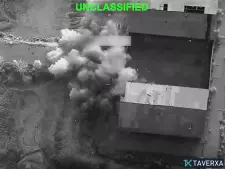
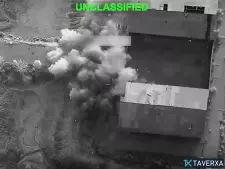
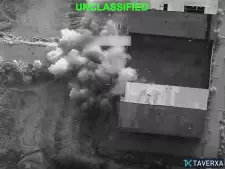
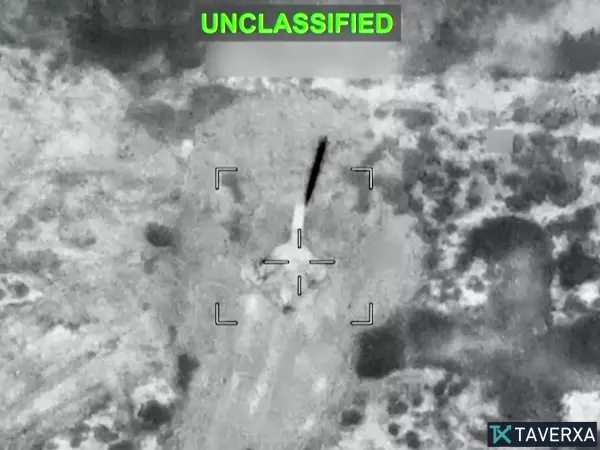
In response to the mounting aggression, the US Central Command (CENTCOM) intensified its own operations. Utilizing precision munitions, US forces hit dozens of targets within Iran, aiming to degrade the nation's radar capabilities, coastal defense systems, and drone launch sites. While the US maintains that these actions are necessary to protect international shipping, local reports in Iran’s Khuzestan province confirm civilian infrastructure damage and casualties.
The Future of the Strait of Hormuz
At the center of this conflict lies the strategic Strait of Hormuz. Following the breakdown of the June memorandum of understanding, transit levels have plummeted to a five-week low. Shipping data from Kpler indicates that only a handful of vessels successfully navigated the waterway on Sunday, underscoring the massive disruption to global energy supplies. As both Tehran and Washington trade accusations—with President Trump declaring the diplomatic deals 'over'—the prospect of a protracted naval and aerial conflict looms large over one of the world's most critical transit corridors.