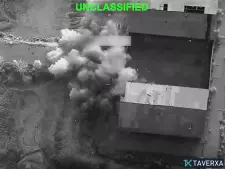
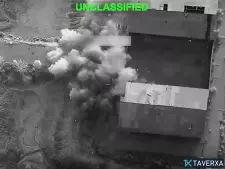
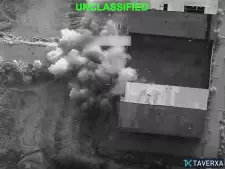
Escalating Conflict: US Strikes Iranian Oil Tanker as Tehran Retaliates Across the Middle East
Regional tensions peak as the US targets an Iranian oil tanker and Tehran responds with retaliatory strikes on Kuwait and Jordan. Read the latest developments here.
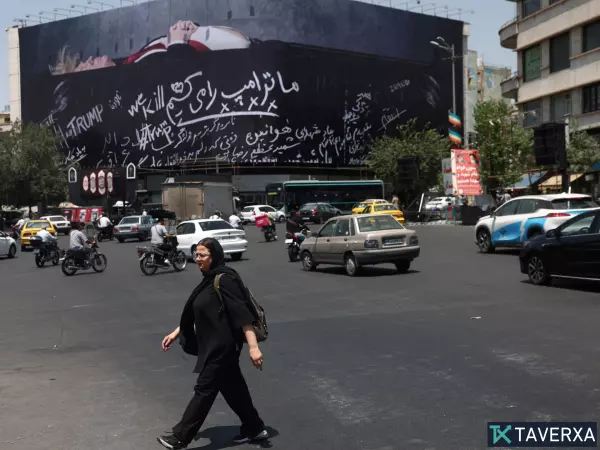
The Middle East stands on the precipice of a full-scale regional conflict following a significant escalation between the United States and Iran. In the latest turn of events, the US military confirmed a new wave of precision strikes targeting Iranian assets, including the successful disabling of an Iranian oil tanker. This move, intended to curb Tehran's regional capabilities, has triggered an immediate and aggressive response from the Iranian leadership.
Strategic Strikes and Regional Instability
Reports from Iranian state media detail a series of heavy explosions across key coastal installations. Specifically, sites on Qeshm Island, the port city of Bandar Abbas, and the strategic hub of Chabahar have been hit. These strikes signify a widening tactical front as the US intensifies its efforts to pressure the Iranian government amid the collapsing peace framework.
Tehran’s Retaliatory Measures
In a direct defiance of US military posturing, Tehran has launched retaliatory operations against what it describes as 'US-aligned assets' throughout the region. Tensions have boiled over into neighboring countries, with Kuwait and Jordan reporting incoming attacks that have forced local authorities into emergency protocols. Meanwhile, residents in Bahrain have been alerted by air raid sirens, signaling a heightened state of panic and defensive readiness across the Persian Gulf.
An Existential Turning Point
Tehran has formally declared the existing peace agreements void, framing the current hostilities as an 'existential war.' This rhetoric marks a drastic departure from the diplomatic maneuvering that characterized the region over the past year. Analysts fear that the involvement of third-party nations like Kuwait and Jordan indicates that the theater of war is expanding rapidly, making de-escalation increasingly difficult.
Global Implications
The international community remains on high alert as energy markets react to the disruption of oil transit routes. With the Strait of Hormuz remaining a critical focal point, the disabling of an Iranian tanker raises concerns about the free flow of global energy supplies. Diplomatic channels are currently scrambling to prevent the conflict from spiraling into a broader global confrontation, though current indicators suggest a prolonged period of instability.