Escalating Conflict: US Strikes Iranian Oil Tanker as Tehran Retaliates Across Middle East
Tensions soar as US strikes hit an Iranian oil tanker, prompting retaliatory attacks from Tehran against Kuwait and Jordan. Follow live updates on the Middle East crisis.
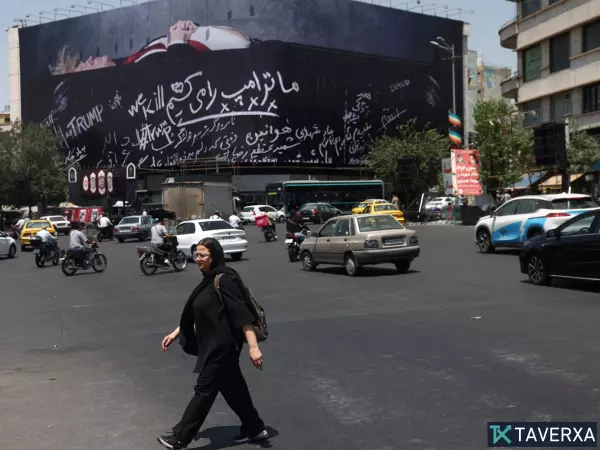
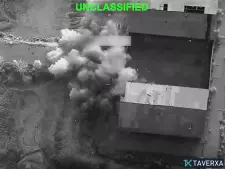
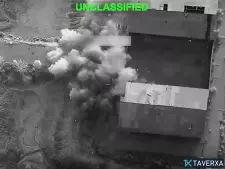
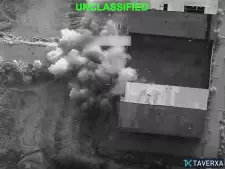
The regional conflict between the United States and Iran has reached a critical boiling point as hostilities shift from diplomatic tension to direct military confrontation. In the latest wave of escalation, the US military launched targeted strikes against Iranian assets, specifically disabling an oil tanker. This development marks a significant widening of the theater of war, raising fears of a broader Middle Eastern destabilization.
Strategic Strikes and Regional Explosions
Reports emerging from Iranian state media confirm a series of explosions along the southern coast of Iran, including critical locations such as Qeshm Island, the major port city of Bandar Abbas, and the strategic outpost of Chabahar. These strikes appear aimed at crippling Iranian naval capacity and economic logistics. The targeting of an oil tanker underscores a tactical shift toward choking Iran's export capabilities as part of the US-led military campaign.
Iran's Retaliatory Response
In an immediate response, Tehran has labeled the US actions as an existential threat, officially declaring the previous peace agreements void. Iranian military assets have reportedly initiated retaliatory operations, with local reports indicating attacks directed at US-allied positions in Kuwait and Jordan. The scope of the conflict is expanding rapidly, forcing neighboring nations into a defensive posture.
Alarmed Neighbors and Heightened Defense
As the exchange of fire intensifies, the regional impact is being felt acutely in the Gulf states. Bahrain has officially activated its air raid sirens, and Kuwait remains on high alert as citizens brace for potential spillover from the aerial assaults. The regional security architecture is currently being pushed to its limits as both nations attempt to navigate the volatile landscape between two global military powers.
The Path Forward
As global leaders call for restraint, the situation remains fluid. Analysts suggest that the destruction of critical infrastructure and the abandonment of peace frameworks indicate that both sides are preparing for a protracted engagement. The coming days will likely determine whether the current violence remains contained or spirals into a wider, uncontrollable regional war.