End of an Era: Gibraltar Lifts Border Controls in Landmark UK-EU Treaty
Explore the details of the landmark UK-EU treaty lifting border controls between Spain and Gibraltar, integrating the territory into the Schengen area post-Brexit.
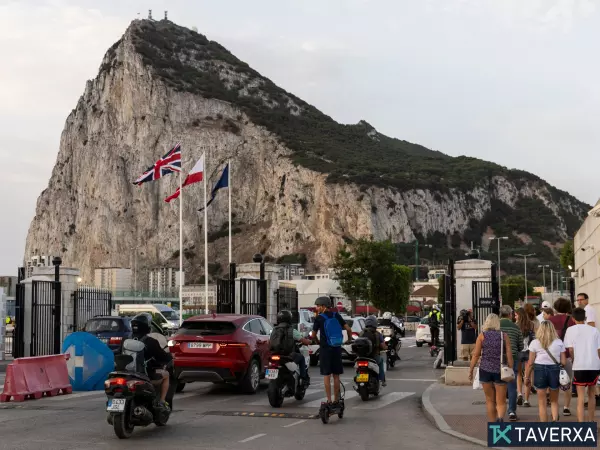
A Historic Transition at 'The Rock'
In a monumental shift for international diplomacy and regional logistics, the physical border dividing the British Overseas Territory of Gibraltar and the Spanish town of La Línea de la Concepción has been dismantled. As of July 15, 2026, thousands of daily commuters and travelers can now cross the frontier without the grueling passport and customs checks that have defined the landscape for over a century.
This transition follows the signing of a comprehensive treaty in Brussels by key representatives, including European Trade Commissioner Maros Sefcovic, British Minister of State for Europe Stephen Doughty, Spanish Foreign Minister Jose Manuel Albares, and Gibraltar Chief Minister Fabian Picardo. The agreement is designed to provide economic stability and trade certainty while meticulously safeguarding British sovereignty and the operational autonomy of the UK's strategic military assets in the region.
Navigating the New Border Framework
The treaty introduces a streamlined movement system that effectively integrates Gibraltar into the EU’s Schengen free-travel area. Under the new regulations, residents of Gibraltar can enter Spain using residence cards, bypassing the need for passport stamps. Conversely, Spanish citizens are now permitted to enter Gibraltar using government-issued ID cards.
To manage security and immigration, a joint-control model has been implemented at Gibraltar’s airport and port. Similar to the integrated checks seen at Eurostar terminals in London and Paris, both British and Spanish border officials will now operate side-by-side to process travelers. For those arriving from non-Schengen countries, including the United Kingdom, the EU's digital Entry/Exit System (EES)—which utilizes biometric data such as digital fingerprints and photographs—will replace traditional ink stamps.
The Brexit Shadow and the Path to Resolution
The impetus for this treaty lies in the complicated aftermath of the 2016 Brexit referendum. While the wider UK voted to leave the European Union, an overwhelming 96 percent of Gibraltarians voted to remain. This disparity created a precarious situation where Gibraltar was excluded from the general UK-EU Trade and Cooperation Agreement of 2021.
For years, the prospect of a 'hard border' threatened the livelihoods of approximately 15,000 cross-border workers—comprising more than half of Gibraltar's workforce. The lack of a formal agreement led to chronic congestion and economic friction. After more than three and a half years of intense negotiations, the 2025 agreement finally resolved these tensions, prioritizing the fluidity of people and goods to stimulate regional economic growth.
A Unique Geopolitical Status
The treaty places Gibraltar in an unprecedented global position: it enjoys the privileges of the EU Schengen area and customs union without being a formal member state of the European Union. This 'special status' is a direct result of its unique geography—a small enclave with a direct land border to the EU.
This arrangement is entirely distinct from other British Overseas Territories. While regions like Bermuda or the Falkland Islands maintain their own independent tax and immigration systems, none share the specific land-border challenges that necessitated this treaty. By balancing the requirements of the EU with the sovereignty of the UK, the agreement ensures that 'The Rock' remains a viable economic hub while maintaining its strategic military importance at the gateway between the Atlantic Ocean and the Mediterranean Sea.