End of an Era: Former Emir of Qatar Sheikh Hamad bin Khalifa Al Thani Passes Away at 74
Former Emir of Qatar Sheikh Hamad bin Khalifa Al Thani has died at 74. Explore the legacy of the man who transformed Qatar into a global energy and political powerhouse.
A Nation in Mourning
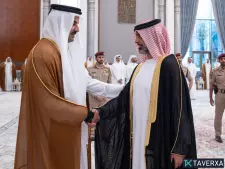
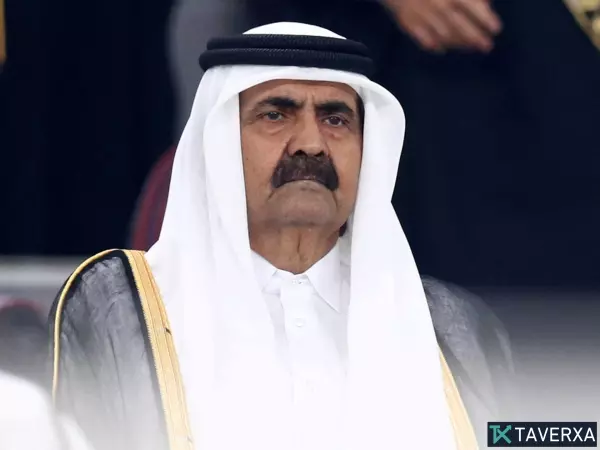
The State of Qatar is in a period of deep mourning following the announcement from the Amiri Diwan that the 'Father Emir,' His Highness Sheikh Hamad bin Khalifa Al Thani, has passed away at the age of 74. In a poignant official statement released Sunday, the Amiri Diwan expressed a profound sense of loss, stating, “With hearts steadfast in faith in God’s decree and destiny, the Amiri Diwan mourns the great loss to the nation of the late – may God have mercy on him – His Highness the Father Amir Sheikh Hamad bin Khalifa Al Thani, who passed away this morning.”
Architect of a Modern Superpower
Sheikh Hamad’s reign, which spanned from 1995 to 2013, is widely regarded as the transformative era that elevated Qatar from a quiet Gulf state to a global economic and political powerhouse. By leveraging the nation's vast natural gas reserves, he spearheaded a period of unprecedented development. His vision integrated economic growth with strategic social and cultural investments, ensuring that Qatar's wealth translated into international prestige and domestic stability.
Global Influence and the Al Jazeera Legacy
One of the most defining moments of Sheikh Hamad's leadership was the 1996 launch of Al Jazeera. By establishing a news network that challenged traditional regional narratives, he fundamentally altered the media landscape of the Arab world and beyond, providing Qatar with a level of 'soft power' and diplomatic leverage rarely seen in the region.
His influence also extended into the realm of diplomacy and sports. The culmination of his long-term strategy for global visibility was seen in 2022, when Qatar hosted the men’s FIFA World Cup. This event served as a global showcase of the infrastructure and ambition he had fostered over two decades, and Sheikh Hamad was greeted with overwhelming acclaim by fans and dignitaries during the tournament's opening ceremonies.
Domestic Reform and a Rare Transition
Beyond foreign policy, Sheikh Hamad introduced significant domestic milestones. In 2004, he oversaw the promulgation of Qatar’s first permanent constitution, creating a more structured legal framework for the state. He also championed a gradual shift toward political participation by introducing municipal elections and granting women the right to vote and run as candidates, marking a significant step forward for gender equality in the Gulf.
In a move that surprised many international observers and remained a rarity among hereditary Gulf Arab rulers, Sheikh Hamad voluntarily abdicated the throne in 2013. He handed over power to his son, Sheikh Tamim bin Hamad Al Thani, who was 33 at the time, ensuring a smooth and stable transition of power that has defined the current era of Qatari leadership.
Conclusion
Sheikh Hamad bin Khalifa Al Thani leaves behind a legacy of ambition, modernization, and diplomatic agility. From the skyline of Doha to the global reach of Al Jazeera, his fingerprints are visible on every facet of the modern Qatari state.