Diplomatic Deadlock in Doha: Qatar Mediates as Iran Sets Strict Conditions for US Peace Deal
Qatar's Prime Minister meets US envoys in Doha as Iran sets strict conditions—including oil sanctions relief and peace in Lebanon—before finalizing a peace deal.
Doha Becomes the Epicenter of High-Stakes Diplomacy
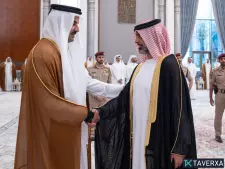
In a critical attempt to avert further escalation in the Middle East, Doha has once again emerged as the primary bridge between Washington and Tehran. Qatari Prime Minister and Foreign Minister Sheikh Mohammed bin Abdulrahman bin Jassim Al Thani recently convened with high-level US envoys, including Steve Witkoff and Jared Kushner, to navigate the precarious path toward a ceasefire and a broader peace agreement.
While both American and Iranian technical delegations are currently present in the Qatari capital, the atmosphere remains tense. Sources confirm that no face-to-face meetings are planned between the two adversaries; instead, the Qatari leadership is facilitating indirect communications, shuttling proposals between the parties in a bid to find common ground.
Tehran’s Unyielding Demands
Despite the diplomatic presence in Doha, the Iranian government has maintained a firm stance, signaling that it will not enter final negotiations without significant concessions. Tehran has outlined a set of non-negotiable prerequisites that must be met before a definitive deal can be signed. These include:
- Cessation of Hostilities in Lebanon: Iran insists that the conflict in Lebanon must end entirely, viewing the stability of its regional allies as a cornerstone of any peace agreement.
- Relief from Oil Sanctions: A primary economic demand is the immediate waiver of US sanctions on Iranian oil exports, which have crippled the nation's economy.
- Release of Frozen Assets: Tehran is demanding the unconditional return of Iranian funds currently frozen in foreign accounts by the United States.
A Climate of Mourning and Tension
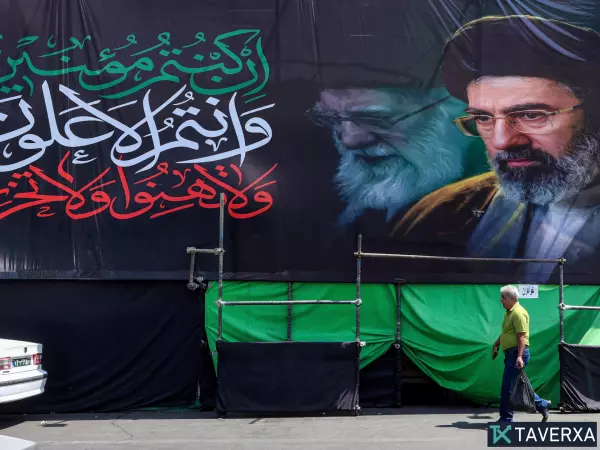
The diplomatic efforts are unfolding against a backdrop of immense national grief and political volatility in Iran. The streets of Tehran are currently adorned with mourning banners honoring the late Supreme Leader Ali Khamenei, who was killed in a strike on February 28—the first day of the US-Israeli military campaign against Iran. His son, Mojtaba Khamenei, now leads the nation through a period of intense instability.
The memory of the February strikes continues to fuel the Iranian leadership's resolve, making the current negotiations not just a matter of economic survival, but of national honor and security.
The Road Ahead: Will a Deal be Reached?
The international community remains cautious. While the presence of US envoys and Iranian negotiators in Doha suggests a mutual desire to avoid a total regional war, the gap between Washington's requirements and Tehran's conditions remains wide. The US has previously floated a 14-point ceasefire memorandum, but the implementation of such a deal depends on whether the US is willing to concede on sanctions and frozen assets—issues that are often politically toxic within the American domestic landscape.
As Qatar continues its role as the indispensable mediator, the world watches to see if diplomacy can prevail over the momentum of war, or if the strict conditions set by Tehran will lead to a further breakdown in communications.