Diplomatic Deadlock: Can Pakistan Salvage the Fragile US-Iran Peace Process?
Explore the challenges facing Pakistan's mediation efforts in the escalating US-Iran conflict as the June 17 ceasefire agreement faces total collapse.
As the fires of conflict roar across the Middle East once again, the diplomatic architecture laboriously constructed by Islamabad is teetering on the edge of total collapse. Just weeks after Pakistan facilitated a landmark memorandum of understanding (MoU) between Washington and Tehran, renewed military hostilities have cast a dark shadow over the potential for a lasting ceasefire.
The Erosion of Trust
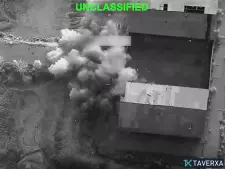
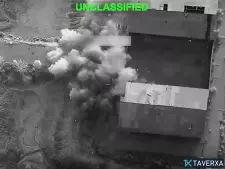
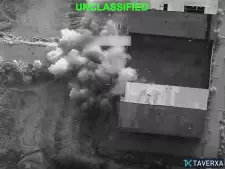
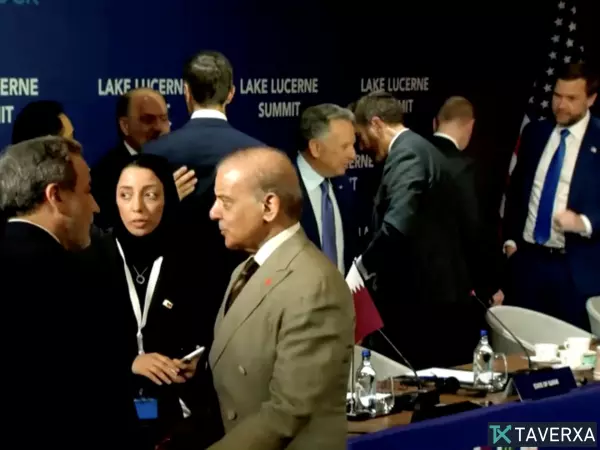
On June 17, the world watched with cautious optimism as Prime Minister Shehbaz Sharif stood alongside representatives of the United States and Iran to formalize an agreement intended to de-escalate tensions. However, the ink was barely dry before both sides resumed aggressive posturing. Following recent retaliatory strikes, the conflict has widened, with Iranian missile and drone activity reaching beyond the immediate theater into neighboring Gulf states. This escalation has left the original MoU in tatters, rendering the initial diplomatic victories virtually obsolete.
Challenges of Mediatory Influence
Pakistan’s position as a mediator is increasingly precarious. While officials in Islamabad maintain that dialogue remains the only viable path to stability, regional analysts suggest that Pakistan currently lacks the leverage to compel either superpower to abide by their commitments. The core of the issue remains the strategic control of the Strait of Hormuz—a vital maritime chokepoint that both nations view through an existential lens. Iran’s commitment to asserting control over these waters directly conflicts with the US objective of maintaining open international trade routes, creating a zero-sum environment that diplomatic words struggle to bridge.
A Wider Diplomatic Web
While Pakistan continues to utilize its military-diplomatic channels, the situation has become a crowded theater of competing interests. Tehran appears to have shifted some focus toward direct engagement with Muscat, bypassing the broader Pakistani-led framework to avoid constraints on its strategic operations. Meanwhile, the involvement of Qatar has placed Doha in the crosshairs of the conflict, further complicating the landscape for neutral brokers. As military forces trade fire across multiple provinces and infrastructure, the fundamental question remains: can any external power influence a situation where both parties seem increasingly willing to prioritize military advancement over diplomatic concessions?