Beyond the Conflict: Why 'Fossilflation' is the True Threat to Global Economic Security
Explore how the US-Iran conflict reveals the danger of 'fossilflation' and why transitioning to decentralized renewable energy is critical for global economic security.
The Immediate Crisis and the Hidden Pattern
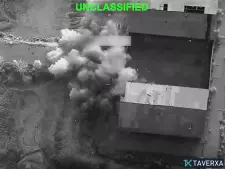
As the geopolitical landscape continues to be destabilized by the reigniting hostilities between the United States, Israel, and Iran, the immediate focus has naturally gravitated toward the humanitarian toll and the risk of escalating military conflict. From the displacement of families in the Middle East to the strategic tension surrounding the Strait of Hormuz, the human cost is devastating and must remain the primary concern for the international community.
However, beneath the surface of these military maneuvers lies a structural vulnerability that threatens global stability long after the guns fall silent. The current crisis has once again exposed a recurring pattern: as long as the global economy remains tethered to fossil fuels, a political spark in one region can trigger economic devastation worldwide.
Understanding 'Fossilflation'
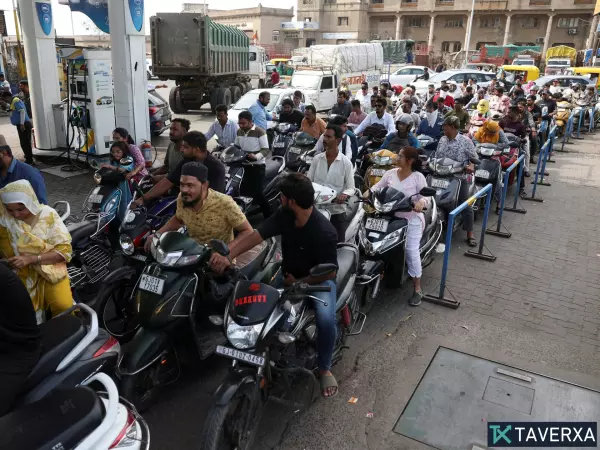
The term 'fossilflation' describes the inflationary pressure created by an economic system heavily dependent on oil and gas. This is not merely a byproduct of war, but a feature of the fossil fuel system itself. When supply chains are disrupted or strategic waterways—such as the Strait of Hormuz—are threatened, the shockwaves are felt globally:
- Asia: In East and Southeast Asia, fuel cost spikes drive up inflation, squeezing household budgets in nations that rely heavily on imported energy.
- Africa and Latin America: Rising fuel prices exacerbate the struggles of impoverished communities, leading to increased costs for basic transportation and goods.
- Western Economies: North America, Europe, and Australia face higher electricity bills and increased transport costs, which eventually trickle down to the price of everyday grocery items.
The repercussions extend beyond the wallet. The International Monetary Fund (IMF) and the World Bank have warned that the volatility in oil, gas, and fertilizer prices is actively fueling food insecurity, with the World Food Programme (WFP) estimating that up to 45 million people could be pushed into acute hunger as a result.
The Fossil Fuel Playbook: Profit from Chaos
While governments struggle to shield their citizens with emergency measures—with at least 46 countries already implementing subsidies—the fossil fuel industry often thrives during these periods of instability. History shows that price volatility generates extraordinary windfall profits for the world's largest energy corporations. According to data from Rystad Energy, the 100 largest oil and gas companies earned upwards of $30 million per hour in windfall profits during the first month of recent conflicts.
More concerning is the 'fossil fuel playbook' that follows. Industry leaders typically use these moments of vulnerability to argue for more drilling, more pipelines, and fewer environmental protections. By framing the crisis as a 'shortage' rather than a 'systemic failure,' the industry encourages nations to deepen their dependence on the very system that creates the instability in the first place.
Energy Independence as National Security
The conversation surrounding the Iran-US conflict must evolve beyond ceasefires and shipping lanes to focus on long-term resilience. For too long, renewable energy has been discussed primarily as a tool for climate mitigation. It is time to recognize it as a cornerstone of national and economic security.
Decentralized energy systems—such as rooftop solar panels, community battery storage, and electric public transport—cannot be blockaded, sanctioned, or caught in the crossfire of an international war. By generating power locally, countries can effectively decouple their household costs from the volatility of global fuel markets.
A Path Toward Resilience
The ultimate lesson of the current conflict is that economic insecurity persists long after the headlines fade. True stability requires more than the cessation of individual wars; it requires a fundamental replacement of the global energy architecture. Those nations that accelerate the transition to renewable energy will find themselves insulated from future shocks, while those clinging to the fossil fuel era will remain trapped in a recurring cycle of fossilflation and vulnerability.