Beyond the Baseline: How an Oura Ring Uncovered a Hidden Heart Condition After Doctors Dismissed the Symptoms
Discover how long-term health tracking with the Oura Ring helped a user detect tachycardia after initial medical tests came back normal.
The Frustration of the 'Invisible' Illness
There is a specific kind of psychological toll that comes with feeling 'off' without a clinical explanation. For many, it begins as a vague sense of fatigue or a subtle shift in well-being—symptoms that are often dismissed by medical professionals as stress, aging, or a need for more rest. This was the reality for Ashley Thieme, who spent an entire year in a state of perpetual exhaustion following a major surgery. Despite visiting doctors and undergoing standard tests, the results remained stubbornly normal, leaving her to cancel social plans and abandon her active lifestyle.
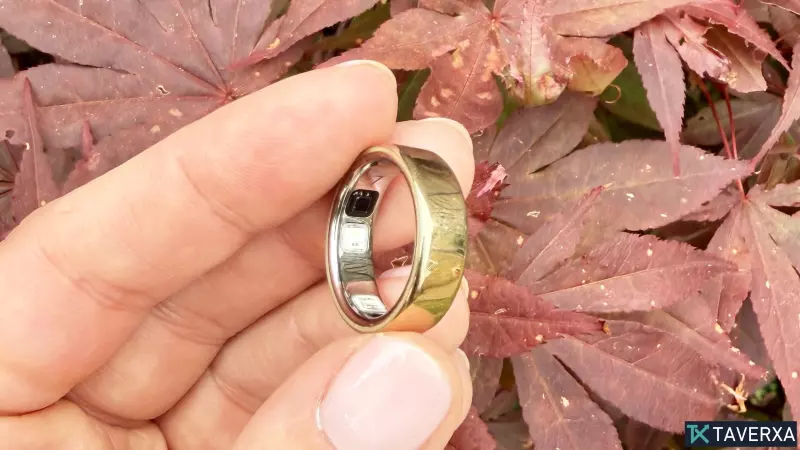
However, the turning point didn't come from a new medical test, but from a piece of wearable technology she had been wearing for years: the Oura Ring. By shifting the focus from a single snapshot in time (a doctor's visit) to long-term trend analysis, the smart ring provided the evidence necessary to secure a life-changing diagnosis.
Tracking the Red Flags: When Data Defies the 'Normal'
For users of advanced health trackers, the most valuable tool isn't a high score, but the establishment of a personal baseline. For Thieme, this baseline was suddenly shattered in late 2024. Despite getting ample sleep, her 'Readiness' scores plummeted. The data revealed three critical red flags:
- Crashed Heart Rate Variability (HRV): A significant drop in HRV often signals that the body is under systemic stress or struggling to recover.
- Elevated Resting Heart Rate (RHR): Her heart rate during sleep reached unprecedented highs, indicating the heart was working harder than usual even at rest.
- Unstable Body Temperature: Frequent fluctuations in temperature often precede illness or indicate internal strain.
Initially, these metrics were met with skepticism from healthcare providers, who suggested vitamins and rest. However, by continuing to monitor the data, Thieme noticed a definitive pattern: her heart rate was spiking unpredictably even while she was sedentary, accompanied by physical palpitations. This persistent deviation from her personal norm became the catalyst for a more targeted medical investigation.
Expert Insight: Wearables as Early Warning Systems
Medical professionals are increasingly recognizing the role of wearables—not as diagnostic tools, but as sophisticated 'smoke detectors' for the body. Dr. Manu Segal, medical director at The Moorings at Lewes, emphasizes that the power of smart rings lies in trend identification rather than isolated readings. According to Dr. Segal, while one bad night of sleep is irrelevant, several weeks of consistent metric shifts can prompt essential, early conversations with physicians.
Similarly, Dr. Naheed Ali, certified in clinical research by the National Institutes of Health, notes that the greatest value of these devices is in identifying 'persistent deviations.' When combined with a holistic approach to health and regular medical care, wearables allow patients to present doctors with objective data, moving the conversation from 'I feel tired' to 'My resting heart rate has increased by 15% over thirty days.'
The Diagnosis and the Road to Recovery
Armed with the data from her Oura Ring, Thieme sought further testing, which eventually led to a diagnosis of tachycardia—a condition characterized by an abnormally fast heart rate. This diagnosis transformed her recovery process; she was no longer fighting an invisible enemy but was working with a specific clinical target. Through a combination of targeted medication and modified exercise plans, she was able to stabilize her metrics.
By 2025, the data told a different story. Through the 'Symptom Radar' and readiness tracking, she learned to recognize life stressors and adjust her activity levels accordingly. Today, she has returned to hiking and restful sleep, proving that the synergy between personal data and professional medical expertise can significantly improve quality of life.
The Golden Rule of Health Tech
While this story highlights the potential of wearable tech, experts warn against 'cyberchondria'—the act of jumping to conclusions based on a few numbers. The fundamental rule remains: wearables identify patterns; doctors provide diagnoses. Use your technology to understand your baseline and flag anomalies, but always rely on certified medical professionals to interpret those findings and prescribe treatment.