Best Cheap Smartwatches of 2026: Expertly Tested Budget Picks for Every Wrist
Looking for a budget-friendly wearable? Discover the best cheap smartwatches of 2026, from the $99 Amazfit Active 2 to the Apple Watch SE 3 and Garmin fitness trackers.
Smart Tech Doesn't Have to Cost a Fortune
In 2026, the gap between high-end luxury wearables and budget-friendly alternatives has narrowed significantly. Modern affordable smartwatches now mirror the capabilities of their premium counterparts, offering robust health monitoring, seamless connectivity, and precise navigation without the eye-watering price tags. After hundreds of hours of rigorous testing, we have identified the top contenders that offer the best bang for your buck.
The Absolute Best Budget Pick: Amazfit Active 2
For those searching for a high-performance device under $100, the Amazfit Active 2 is the gold standard. Retailing at just $99, this watch punches well above its weight class. It is compatible with both iOS and Android, making it a versatile choice for any user.
Key Highlights:
- Display: A stunningly bright AMOLED screen that remains legible in direct sunlight.
- Fitness Suite: Over 160 sports and exercise profiles, alongside integrated GPS for phone-free tracking.
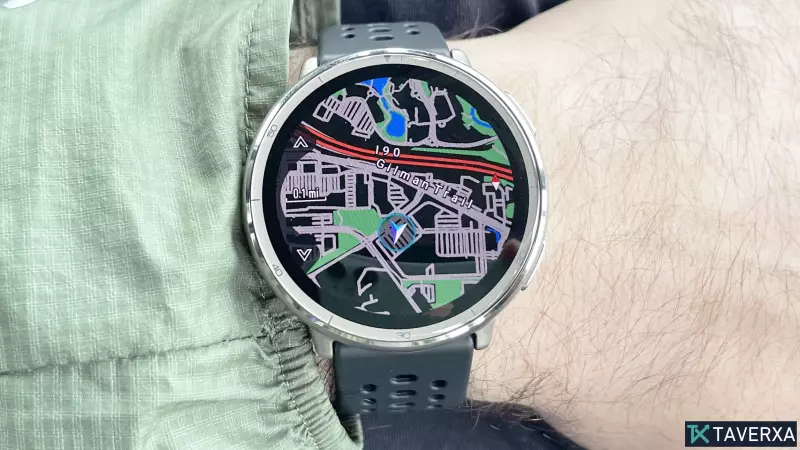
- Navigation: Support for offline maps and a reliable backtrack feature, perfect for hikers.
- Endurance: An impressive battery life that lasts up to 10 days on a single charge.
While the operating system lacks the polished refinement of watchOS or Wear OS, and some health data can be slightly inconsistent, the sheer value proposition makes it an unbeatable entry-level option.
Top Picks for Ecosystem Loyalty
For iPhone Users: Apple Watch SE 3
If you are deep in the Apple ecosystem, the Apple Watch SE 3 is the most logical choice. Starting at $249 (though frequently discounted), it delivers the core experience of the flagship series without the premium cost.
The SE 3 features the latest S10 processor, an Always-On display, and 5G connectivity. It integrates flawlessly with Apple's latest AI tools, including the 'Workout Buddy' personalized coach. The trade-off is battery life, which remains at approximately 18 hours, meaning daily charging is a necessity.
For Android Users: Samsung Galaxy Watch 7
While the Galaxy Watch 8 has entered the market, the Galaxy Watch 7 has become the premier value pick for Android owners. Its standout feature is the integration of Google's Gemini AI voice assistant, which provides a level of utility unmatched by other budget watches.
It offers detailed sleep insights and AI-powered wellness features in a slim, responsive package. Note that while it works with most Android phones, certain advanced health tools like sleep apnea detection require a Samsung Galaxy handset.
Specialized Budget Wearables
The Runner's Companion: Garmin Forerunner 55
For those who prioritize training over 'smart' notifications, the Garmin Forerunner 55 is a powerhouse. This is a dedicated athletic tool designed for recovery and pace tracking. With a battery that lasts two weeks in smartwatch mode, it is built for endurance. While it lacks NFC payments and music storage, its GPS accuracy and training insights are professional-grade.
The Golfer's Edge: Garmin Approach S12
Golf technology is notoriously expensive, but the Approach S12 makes the game accessible. For $199, you get 43,000 preloaded courses and precise shot-distance measurements. It isn't a full fitness tracker—lacking a heart rate monitor—but as a dedicated golf tool, its value is peerless.
The Minimalist Choice: Fitbit Air
Not everyone wants a screen on their wrist. The Fitbit Air is a screenless, distraction-free health tracker for $99. It focuses purely on wellness: top-notch sleep reports, heart rate variability, and daily readiness scores. It is incredibly lightweight and comfortable, making it ideal for 24/7 wear, although it requires a smartphone for GPS and elevation data.
How We Evaluate Budget Wearables
Our testing methodology remains consistent regardless of price. We evaluate these devices based on real-world wearability, display legibility in sunlight, and sensor accuracy. We specifically scrutinize GPS drift and heart rate reliability during high-intensity interval training (HIIT). Crucially, we weigh these results against the price; a $99 watch is judged on its ability to provide essential utility, whereas a $250 watch is expected to offer a more seamless software experience.