Apple's Vision Strategy in Turmoil: Smart Glasses Chief Departs for OpenAI Amid Roadmap Shifts
Apple is rethinking its AR roadmap after losing smart glasses chief Paul Meade to OpenAI. Discover how the shift from Vision Pro to smart glasses impacts Apple's future.
A Shakeup in the Vision Division
Apple's ambitions in the augmented reality (AR) and wearable space are facing a period of significant instability. Recent reports indicate that the tech giant is currently rethinking its future product roadmap following the high-profile departure of Paul Meade, the Vice President in charge of the Vision Pro and smart glasses initiatives. Meade has reportedly transitioned to OpenAI, a move that signals a potential brain drain from Cupertino to the forefront of the generative AI revolution.
This departure is not an isolated incident. Meade is the second major executive to exit the Vision division within a year. He follows Mike Rockwell, the original creator of the Vision Pro, who was reassigned to oversee Siri after a series of high-profile AI failures plagued the virtual assistant. This leadership churn has left analysts questioning whether Apple's Vision division is struggling to find its footing in a rapidly evolving market.
The 'Jony Ive Effect' and the OpenAI Connection
The exodus of talent isn't just about individual career moves; it appears to be a coordinated effort by former Apple design legend Jony Ive. As Meade joins OpenAI, he reunites with other former Apple stalwarts like Tang Tan and Evans Harkey, who previously led design and hardware efforts at Apple. Ive is reportedly rebuilding his elite Cupertino-style team at OpenAI to develop a suite of AI-forward hardware.
OpenAI is not merely focusing on software; rumors suggest they are fast-tracking a "ChatGPT phone" for a potential 2027 launch, alongside other AI-powered devices such as earbuds, speakers, and even their own version of smart glasses. This puts Apple in a precarious position, as the very people who understood the internal blueprints for Apple's AR future are now helping a primary competitor design the hardware intended to replace the smartphone.
From Headsets to Glasses: A Pivoting Roadmap
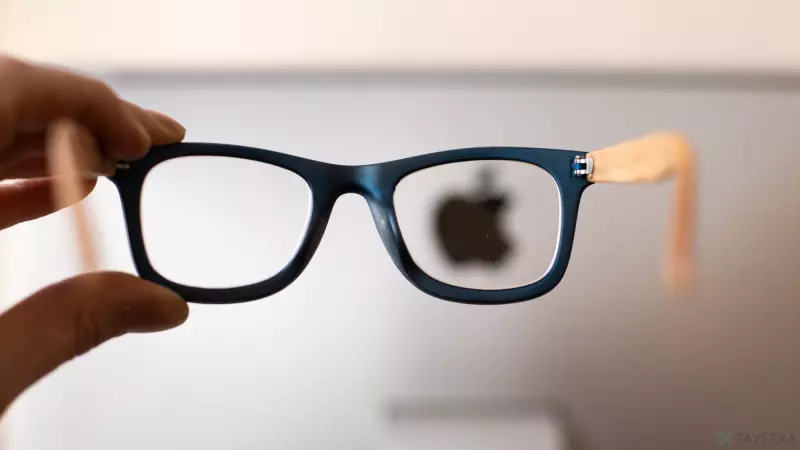
Industry analysts suggest that Apple may be intentionally shifting its priorities. The Apple Vision Pro, while a technical marvel, has been criticized for its high price point, weight, and niche appeal. Consequently, reports indicate that Apple has "back-burned" the bulky headset in favor of more consumer-friendly smart glasses.
According to supply chain insights, Apple is aiming for two distinct paths: a lightweight, Meta Ray-Ban-style pair of smart glasses expected around 2027, and a more advanced Extended Reality (XR) version slated for 2028 or 2029. The goal is to create a device that is cheaper and more socially acceptable than the Vision Pro, potentially mirroring the massive success of the Apple Watch.
Navigating a Leadership Transition
This turbulence coincides with a broader transition in Apple's corporate hierarchy. As Tim Cook's era eventually winds down and John Ternus emerges as the heir apparent, the company is undergoing structural overhauls. With Johny Srouji recently promoted to chief hardware officer, Apple is aggressively restructuring its product design organization to secure the future of Siri and AI integration across all devices.
While some analysts view this attrition as normal corporate turnover during a leadership change, others warn that the loss of key intellectual capital to OpenAI could delay Apple's entry into the AI wearables market. The stakes are high: if Apple can successfully pivot to smart glasses, they could disrupt a $200 billion eyewear industry. However, they must first stabilize their leadership and outpace the AI-driven hardware ambitions of OpenAI and Meta.