Apple to Remove Walkie-Talkie Feature in watchOS 27: The End of an Era
Apple is set to remove the iconic Walkie-Talkie app from the Apple Watch with the upcoming release of watchOS 27. Explore what this means for users.
A Farewell to a Wearable Staple
For nearly a decade, the Apple Watch has served as more than just a fitness tracker; it has been a conduit for fun, niche features that defined the early days of wearable tech. Among these, the Walkie-Talkie app, introduced with watchOS 5 in 2018, stood out as a playful, albeit sometimes temperamental, tool that allowed users to send push-to-talk voice messages instantly. Now, it appears this era is coming to a close.
What Does watchOS 27 Mean for the Walkie-Talkie?
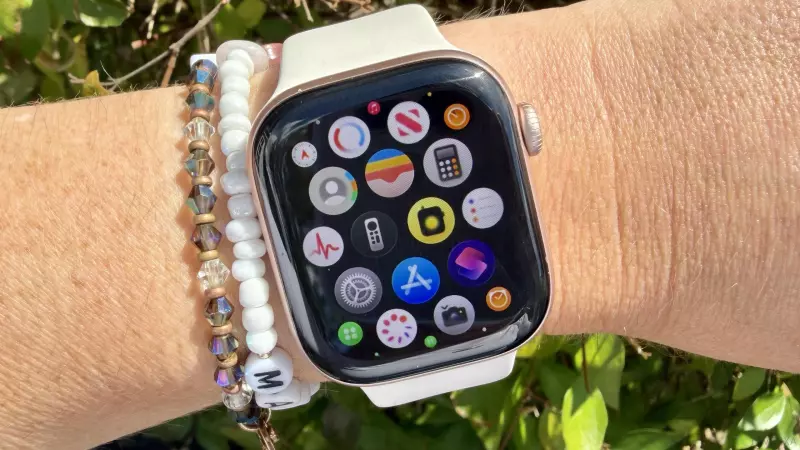
Recent reports from users experimenting with the first developer beta of watchOS 27 indicate that the Walkie-Talkie app has been removed entirely. It is absent from the standard app list and no longer appears in the Control Center. Unlike previous updates where features might be tucked away or updated, there is currently no option to redownload the application, signaling a definitive removal by Apple.
Reflecting on the Feature's Legacy
Launched during a time when the novelty of smartwatches was at its peak, the Walkie-Talkie feature allowed for seamless, distance-agnostic communication. While its performance was often inconsistent, it captured the imagination of users who enjoyed the tactical feel of instant, wrist-based communication. For many, the removal of this feature serves as a nostalgic reminder of how rapidly software evolves and how the 'experimental' features of the past often make way for the streamlined, productivity-focused tools of today.
Future of Apple Watch Communication
While Apple has not provided an official confirmation regarding the removal, the lack of the app in the beta release strongly suggests it will not be part of the final public rollout of watchOS 27 later this year. This quiet departure marks another step in Apple's refinement of the watchOS ecosystem, focusing more on health monitoring and advanced AI integrations rather than legacy experimental social features.