Andy Burnham Set to Become UK Prime Minister After Dominating Labour Party Support
Andy Burnham is set to become the UK Prime Minister after securing support from over 85% of Labour MPs. Read about his plans for regional power and the fall of Keir Starmer.
A New Era for British Politics
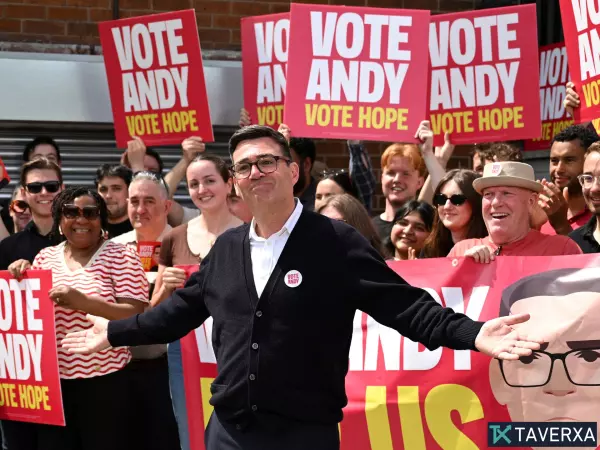
The political landscape in the United Kingdom is on the verge of a significant shift as Andy Burnham, the former mayor of Greater Manchester, is poised to become the next Prime Minister. Burnham has effectively secured the leadership of the ruling Labour Party, garnering overwhelming support from his parliamentary colleagues. As of Monday afternoon, Burnham's tally of nominations reached 349 MPs, representing more than 85 percent of the parliamentary party.
Due to the party's internal rules, which require any challenger to secure the backing of at least 20 percent of MPs, Burnham’s path to 10 Downing Street is now virtually unobstructed. He is expected to officially assume the role as early as next week.
The Fall of Keir Starmer
Burnham's ascent follows the resignation of Prime Minister Keir Starmer, who stepped down last month amidst a storm of internal party criticism and plummeting public approval. Despite leading Labour to a landslide victory two years ago, Starmer's tenure was marred by a perceived lack of a clear national vision and a series of damaging political scandals.
A primary catalyst for Starmer's downfall was the government's controversial handling of the conflict in Gaza. Tens of thousands of party members exited the Labour Party, accusing the leadership of being complicit in Israel's military actions. This mass exodus created a vacuum of leadership and a desperate need for a figure who could bridge the gap between the party's centrist leadership and its left-wing base.
Burnham's Strategic Pivot
Andy Burnham, a seasoned politician who previously served as a minister under Tony Blair and Gordon Brown, has strategically positioned himself as the corrective force the party needs. Having recently returned to Westminster as the MP for Makerfield, Burnham launched his campaign following poor local election results in May.
To heal the rift within the party, Burnham has already begun addressing the grievances regarding Gaza. In a recent apology, he admitted that the party "didn't get it right" regarding its stance on Israel and pledged to exert more pressure on the Israeli government to change its course of action.
A Vision for Regional Devolution
Beyond foreign policy, Burnham is campaigning on a platform of domestic restructuring. A central pillar of his agenda is the decentralization of power, pledging to grant more autonomy and authority to cities and regions outside of London. This move is designed to counter long-standing accusations that successive UK governments have neglected the North and Midlands in favor of the wealthier southeast of England.
The Road Ahead: Challenges and Expectations
While Burnham has the support of his MPs, the broader challenge of winning back the electorate remains. Political analysts suggest that the journey will not be easy. Gareth Dale, a politics academic from Brunel University, notes that Labour's support has "haemorrhaged" since the era of Jeremy Corbyn, with many voters migrating toward the Green Party.
To stabilize the government, Burnham will likely need to implement robust left-wing policies focusing on poverty, immigration, and environmental protections. The coming weeks will determine whether Burnham can transform his parliamentary dominance into a sustainable national mandate, restoring faith in the Labour Party and providing the stability the UK currently craves.