Amazon's Pivot to Vega OS: Why Sideloading is Being Phased Out on Fire TV
Amazon is phasing out sideloading on its Fire TV devices as it migrates to the new, locked-down Vega OS. Learn why security, piracy concerns, and platform control are driving this change.
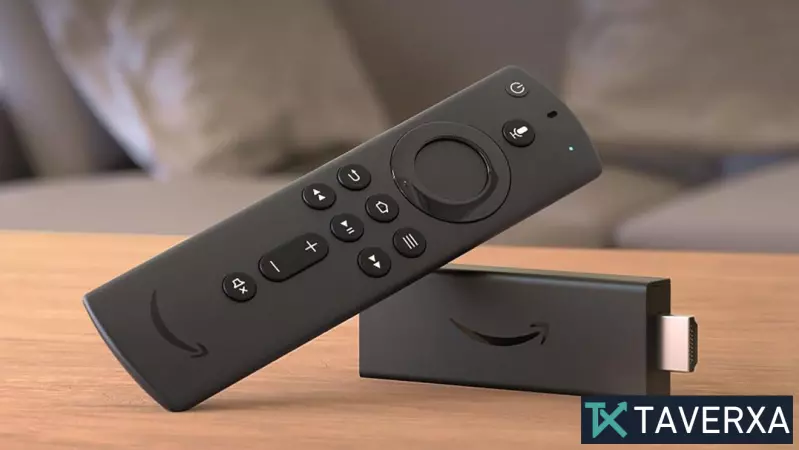
Amazon has officially shifted its strategy for its streaming ecosystem, moving away from its long-standing Android-based Fire OS in favor of a new, proprietary Linux-based platform dubbed 'Vega OS.' This transition, which began in late 2025, marks a significant departure from the open nature of the original platform and has sparked widespread discussion regarding the future of user control on streaming devices.
The Move to a Locked-Down Ecosystem
One of the most notable changes introduced with Vega OS is the restriction of sideloading. Previously, users of Fire TV devices enjoyed the freedom to install third-party applications not found in the official Amazon Appstore. This capability allowed for the installation of custom launchers, ad blockers, and various other community-developed tools. Under the new Vega OS architecture, this functionality is being stripped away, effectively closing the platform to software that hasn't been explicitly vetted by Amazon.
Amazon's Rationale: Security and Piracy
Aidan Marcuss, Amazon's vice president of Fire TV, defended the change in a recent interview, citing a need to enhance security and user privacy. According to Marcuss, the company views the shift as a way to innovate and provide more robust features, even on entry-level hardware.
However, the core of the argument against sideloading is firmly rooted in the fight against digital piracy. Amazon has faced mounting pressure from media conglomerates and rights holders, particularly in the sports broadcasting sector. Reports, such as the one released by Enders Analysis in May 2025, identified Fire TV devices as a primary vector for streaming piracy. Furthermore, concerns regarding malware have been highlighted by cybersecurity experts, with reports suggesting that malicious software, including cryptocurrency miners, has frequently targeted users who sideload unauthorized applications from untrusted sources.
Is Vega OS Ready for Prime Time?
Despite the push for a more secure environment, the transition to Vega OS has not been without its growing pains. Early adopters and reviewers have noted that the new platform lacks features found in its predecessor, such as robust USB storage support and certain advanced video standards like Dolby Vision.
Furthermore, the reduction in app availability—moving from the massive library of the Android-based system to a more curated selection—has led some to describe the current state of Vega OS as a 'proof-of-concept' rather than a fully mature product. While Marcuss argues that the vast majority of consumer content needs are already met, the removal of user choice remains a point of contention for power users who valued the flexibility of the previous Fire TV generation.