A Decade Later: How the 2016 Failed Coup Permanently Altered Turkiye's Military Landscape
A decade after the failed 2016 coup in Turkiye, we explore how the event fundamentally transformed the nation's military-civilian relationship and its modern political landscape.
A Watershed Moment for Turkish Democracy
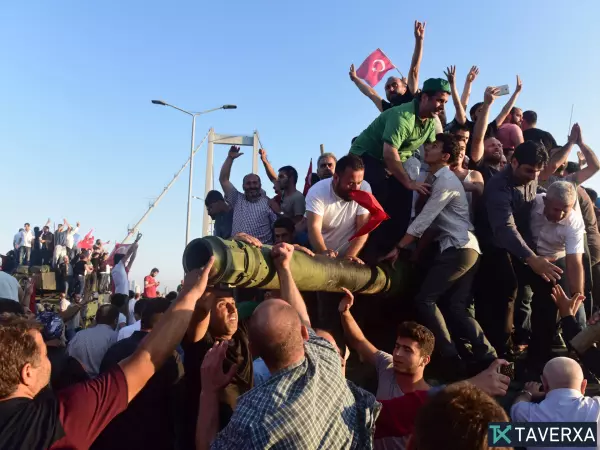
On July 15, 2016, a rogue faction within the Turkish Armed Forces launched an audacious bid to seize power from the democratically elected government. By the early hours of the following day, the attempt had collapsed, thwarted by a combination of public resistance, loyalist security forces, and the failure of the putschists to secure the military command chain. A decade later, the event is remembered not just for the 250 lives lost, but as a definitive turning point that reshaped the nation’s civil-military relations.
The Historical Context of Military Intervention
For decades, the Turkish military operated under the self-proclaimed role as the guardian of the republic’s secular foundations. This philosophy led to direct interventions in 1960 and 1980, along with 'soft' interventions in 1971 and 1997. Following these events, the civilian government consistently struggled to assert dominance over military hierarchy. The failed 2016 coup served as the final catalyst to dismantle this paradigm.
Structural Overhaul and Civilian Oversight
In the aftermath of the failed attempt, which the government attributes to the Fethullah Terrorist Organisation (FETO), Turkiye underwent a radical restructuring of its defense sector. Key reforms included:
- The closure of military academies, replaced by the unified National Defence University.
- The total reorganization of command structures to ensure civilian control.
- The purging of state institutions, including the judiciary and police, to root out suspected clandestine networks.
The Future of Turkish Security
While experts argue that the era of conventional military coups in Turkiye is likely over, the legacy of the 2016 event continues to dominate political discourse. Supporters of the government emphasize that these measures were essential to preserve state sovereignty. Conversely, critics and international human rights groups express concerns that the expansion of executive power and the subsequent crackdown on dissent have negatively impacted democratic norms and civil liberties.
As Turkiye enters a new decade since the event, the government continues to pursue those it deems connected to the coup attempt, confirming that for Ankara, the ghost of July 2016 remains an active national security priority.