Xbox's Secret Weapon: The 'Disc-to-Digital' Feature That Could Force Sony's Hand with PS6
Microsoft is reportedly developing a Disc-to-Digital feature to let players convert physical games to digital licenses, a move that could pressure Sony's PS6 strategy.
The Beginning of the End for Physical Media
The gaming industry is standing at a critical crossroads regarding how we consume media. For decades, the physical disc was the gold standard for ownership, providing a tangible asset that players could trade, sell, or preserve. However, the tide is turning rapidly. In a move that sent shockwaves through the gaming community, PlayStation recently officialized the abandonment of physical media for its consoles starting in January 2028. This decision has ignited a fierce debate over digital rights management and the preservation of gaming history, leaving many wondering if the upcoming PS6 will be a purely digital machine.
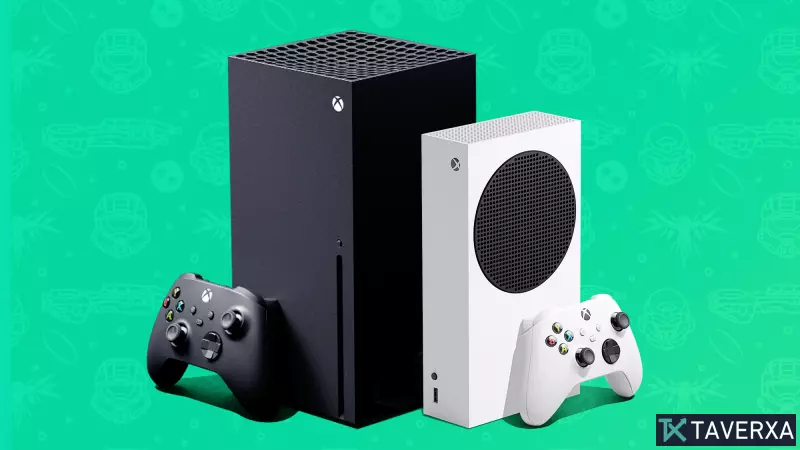
While Sony has taken a hard line, Microsoft appears to be crafting a more diplomatic transition. As reports suggest that the next-generation Xbox (rumored as the 'Xbox Helix') may also ditch the disc drive, the company is quietly developing a solution to prevent a massive player exodus: a 'Disc-to-Digital' conversion system.
What is 'Disc-to-Digital' and How Does It Work?
According to reports from The Verge and leaked code found in the Xbox PC application, Microsoft is testing a feature referred to as 'enable Disc2Digital.' The goal is simple yet revolutionary: allow players to digitize their physical libraries so they can be accessed on hardware that lacks a disc drive.
The proposed workflow is straightforward. A user would insert a compatible physical disc into a reader (likely an existing Xbox Series X or a designated peripheral), install the game, and launch it. Once the system verifies ownership of the physical copy, Microsoft would grant a digital license for that title to the user's account. This effectively transforms a piece of plastic into a permanent digital entry in the user's library, removing the need for the disc to be present during gameplay.
The Fine Print: Compatibility and Limitations
While this is a massive win for consumers, there are some caveats. Sources indicate that the feature is currently targeted at Xbox One and Xbox Series X titles. Unfortunately, legacy titles from the original Xbox and Xbox 360 may not be supported, meaning a small portion of gaming history may still be tethered to old hardware. Furthermore, to prevent piracy and the infinite cloning of games, the digital license is tied to the account. If a player lends their disc to a friend, the digital license would be revoked from the original owner and transferred to the new user, ensuring that only one person can utilize the 'digital' version at a time.
A Strategic Advantage Over PlayStation
This feature isn't just about convenience; it's a strategic masterstroke. By offering a bridge between the physical and digital eras, Microsoft is addressing the primary fear of the 'digital-only' future: the loss of a curated library. If the PS6 launches without a disc drive and without a conversion tool, millions of PlayStation users will find their physical collections rendered useless overnight.
Moreover, converting physical games to digital licenses opens the door to the full Xbox ecosystem. Once a game is digitized, it can potentially leverage Cloud Gaming and Xbox Play Anywhere, allowing users to jump between their console and PC seamlessly. This adds a layer of value that physical discs simply cannot provide.
Conclusion: The Future of the Console War
As we move toward 2028, the 'Console War' is shifting from raw teraflops and exclusive titles to a battle over consumer rights and accessibility. If Microsoft successfully implements the Disc-to-Digital feature, it will set a new industry standard for consumer respect. Sony may find that to keep its loyal player base from jumping ship to the Xbox ecosystem, the PS6 will absolutely need a similar feature to appease the collectors and preservationists who refuse to let their physical libraries gather dust.
Related Posts