Unveiling the Silence: Why India Has Blocked the Film 'Satluj'
Explore the controversy surrounding the Indian government's ban of 'Satluj', a film documenting the life of activist Jaswant Singh Khalra and the dark history of the Punjab insurgency.
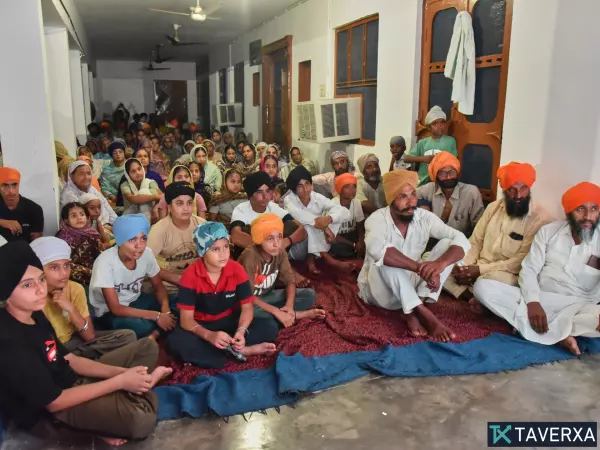
The Indian government has ignited a firestorm of controversy by effectively censoring 'Satluj', a poignant biopic based on the life and death of human rights activist Jaswant Singh Khalra. The film, which explores the dark era of the 1980s and 1990s in Punjab, has become a symbol of resistance against state narratives, as citizens bypass official bans to watch the story of a man who exposed the mass disappearance of thousands.
The Life and Legacy of Jaswant Singh Khalra
Jaswant Singh Khalra, a bank employee in Amritsar, emerged as an unlikely hero when he began investigating the disappearance of a friend. His meticulous research into municipal cremation records revealed a chilling pattern: security forces were allegedly cremating thousands of unidentified bodies in secret during the height of the Punjab insurgency. Khalra’s courage cost him his life; he was abducted in 1995 and never seen again, though his work eventually led to the conviction of several police officers for custodial murder.
A Battle with Censors
Originally titled 'Punjab 95', the film faced a grueling three-year struggle with India's Central Board of Film Certification. The board demanded nearly 130 cuts and a title change, conditions the filmmakers refused to accept. Although the film finally debuted on the ZEE5 streaming platform on July 3, it was removed within 48 hours, with officials citing 'national security' concerns. A government-appointed committee has since allegedly upheld the ban, arguing the film threatens India's sovereignty.
Defiance Through Community Screenings
The government's attempt to erase the film has only increased its visibility. Across Punjab, Sikh communities have turned village halls and temples into makeshift cinemas, hosting free screenings that serve as both a historical record and a public act of protest. From the diaspora in London to the rural heartlands of Gurdaspur, the film has become a cultural phenomenon that refuses to be buried.
Context of the Conflict
The 1980s were marked by deep instability in Punjab, driven by the Khalistan separatist movement, the storming of the Golden Temple, and the subsequent anti-Sikh violence. For many, 'Satluj' is not just a film but a vessel for collective memory, reopening long-standing wounds and challenging the state's official account of the period.