Tour de France Crash Crisis: Why Roadside Concussion Protocols Are Failing Riders
Three riders have abandoned the 2026 Tour de France due to concussions, raising urgent questions about the effectiveness of current UCI medical protocols during high-stakes road races.
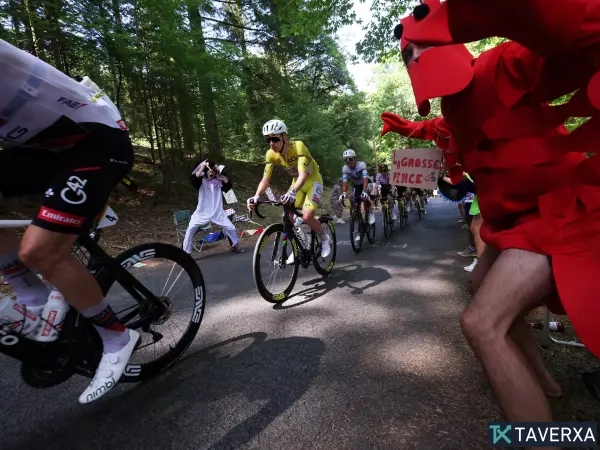
As the 2026 Tour de France reaches its high-stakes intensity, a recurring shadow has loomed over the peloton: the persistent issue of concussion management. In the opening week alone, three of the eight riders who were forced to abandon the race—Clement Berthet, Alex Molenaar, and Torstein Traeen—did so due to concussions sustained in high-speed crashes. These incidents have sparked a critical debate regarding the limitations of current on-road medical assessments.
The Reality of Roadside Diagnostics
The current UCI concussion protocol, implemented in 2021, mandates that riders be assessed for specific signs like disorientation, nausea, or impaired balance immediately following a crash. However, medical experts argue that the high-pressure, fast-paced environment of professional cycling makes these checks inherently flawed. Mathieu Le Strat, medical director of Groupama-FDJ United, highlighted that performing a comprehensive neurological evaluation on the side of the road is practically impossible. He noted that a reliable assessment requires at least 10 to 15 minutes of dedicated time—a luxury rarely available when a race is in progress.
Hidden Injuries and the Urge to Compete
A significant complication in diagnosing head trauma in cycling is the nature of the injury itself. Unlike broken bones or deep lacerations, concussions are often 'invisible.' Chief Tour de France doctor Florence Pommerie emphasizes that there is no singular indicator for a brain injury, but rather a complex combination of symptoms that may fluctuate over several hours. This delay in symptom manifestation often means that a rider may feel capable of finishing a stage, only to realize the severity of their condition once the adrenaline fades.
A Culture of Resilience vs. Athlete Safety
While organizations like the UCI and the CPA (the international riders’ union) have made strides in raising awareness, the fundamental conflict remains: elite cycling is a performance-driven sport where seconds define careers. Riders are culturally conditioned to push through pain, which can lead them to downplay or overlook symptoms of a concussion to stay in the race. UCI Medical Director Xavier Bigard acknowledges that while the situation is better than it was years ago—citing the infamous case of Romain Bardet in 2020—the sport is still struggling to bridge the gap between competitive instinct and medical necessity. As the race continues, the medical community remains committed to evolving these protocols, though officials admit that creating a 'perfect' system in such an unforgiving sport is a long-term, arduous process.