The Strategic Shift: How Battlefield’s Expansion Halted Need for Speed and Burnout
Electronic Arts has shifted focus to the Battlefield franchise, effectively sidelining and ending the development cycle for legendary series like Need for Speed and Burnout.
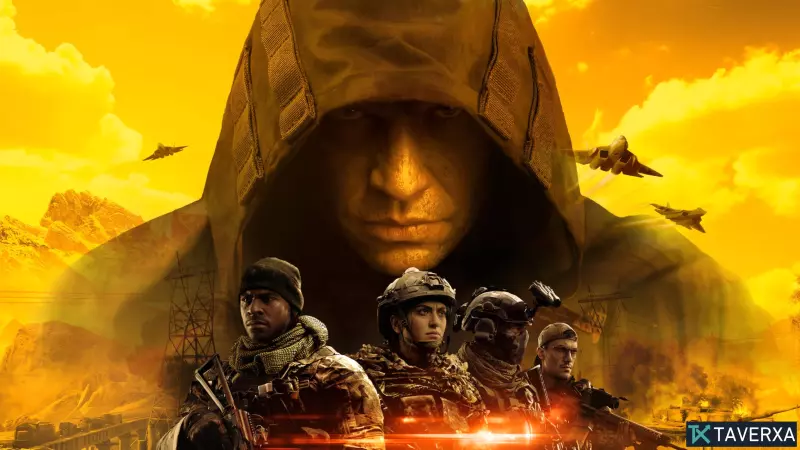
The evolution of Electronic Arts' development priorities has reached a pivotal turning point, with recent reports confirming that the massive resource allocation toward the Battlefield franchise has come at the expense of two legendary gaming names: Need for Speed and Burnout. For decades, Criterion Games was synonymous with high-octane racing, having defined an era with the Burnout series and later taking the helm of Need for Speed. However, as EA pivoted its focus to bolster the Battlefield ecosystem, the studio was largely repurposed to support DICE, effectively signaling the end of the line for these iconic racing franchises.
The Cost of Battlefield’s Expansion
Following the rocky reception of recent Battlefield installments, Electronic Arts initiated a massive internal restructuring. This strategic pivot required the collective strength of their most talented developers to stabilize and expand the battlefield brand. Consequently, Criterion Games was pulled from their racing projects to provide critical support on the Battlefield series, leaving the future of their own intellectual properties in a state of suspended animation. The industry consensus is clear: these titles have been placed in a state of permanent dormancy to prioritize the survival of the shooter giant.
Why Need for Speed and Burnout Faded
Burnout, once a titan of the arcade-racing genre, has not seen a major entry in years, and the Need for Speed series has struggled to maintain its cultural relevance amidst the studio’s shifting responsibilities. The redirection of development talent toward EA’s primary live-service FPS confirms that the company no longer views these racing games as core pillars of their long-term growth strategy. For fans, this is a bittersweet reality—as one of the most recognizable racing legacies is quietly buried to fuel the ongoing battle for supremacy in the shooter market.
Related Posts