The End of Physical Gaming: Stop Killing Games Responds to Sony's Controversial Decision
We spoke with Stop Killing Games to discuss the implications of PlayStation's decision to end physical disc production and what it means for digital ownership.
The Shift to a Digital-Only Future
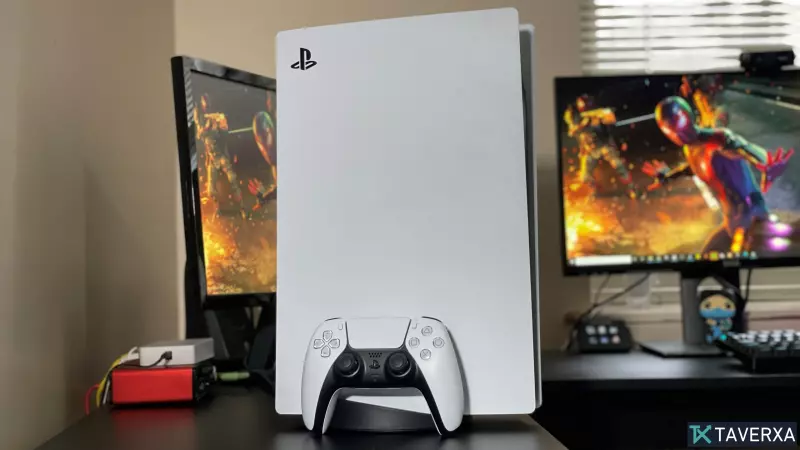
PlayStation has officially announced plans to cease the production of physical game discs starting in 2028. This landmark decision marks a significant turning point in the gaming industry, moving closer to an exclusively digital ecosystem. With industry data indicating that approximately 85% of PlayStation game purchases are already digital, the company justifies the move as a natural alignment with modern consumer habits. However, this transition has ignited a fierce debate regarding digital ownership, long-term accessibility, and the rights of consumers.
The Core Issue: Ownership vs. Access
In an exclusive interview with Tom’s Guide, representatives from Stop Killing Games—a campaign dedicated to securing legal protections for games once official support ends—shared their perspective on Sony’s strategy. The group argued that the focus on physical versus digital format is merely a surface-level distraction. The real issue is the progressive erosion of the consumer's right to own the software they purchase.
"The lack of the disc is just a symptom and not the core problem in itself," stated Mike from Stop Killing Games. The group emphasizes that for many, a physical disc has historically represented a form of long-term security. Even if a publisher shuts down servers or discontinues support for a title, a physical copy usually allows the user to retain access. With the move to digital-only, that safety net is stripped away, making games entirely dependent on the goodwill and server longevity of the manufacturer.
The Deception of 'Physical' Editions
The conversation also touched upon the growing trend of retailers selling "physical editions" of games that contain nothing but a download code. Stop Killing Games heavily criticized this practice, labeling it deceptive. They maintain that when a product is marketed as a physical copy, the consumer rightfully expects a tangible medium, not a revocable license. This, they argue, further complicates the concept of ownership, as the "physical" product becomes functionally identical to a digital-only purchase, yet maintains the illusion of permanence.
Looking Ahead
Stop Killing Games views this trend through the lens of earlier controversies, such as the initial 2013 Xbox One reveal, which featured plans for strict online check-ins—policies that were met with massive backlash but have since become standard across the industry. While the group does not oppose digital technology in itself—noting that it can be convenient and beneficial when handled with transparency—they demand stronger consumer assurances. As the console market shifts towards a future without physical media, the campaign stresses that users must now prepare for a landscape where their library may ultimately be at the mercy of publisher policy.
Related Posts