The Death of Physical Media: Why Experts Claim Piracy is the Only Way to Save Gaming History
Expert Frank Cifaldi warns that piracy is now the only way to save video game history as PlayStation and others move toward a fully digital future.
The Digital Shift and the End of an Era
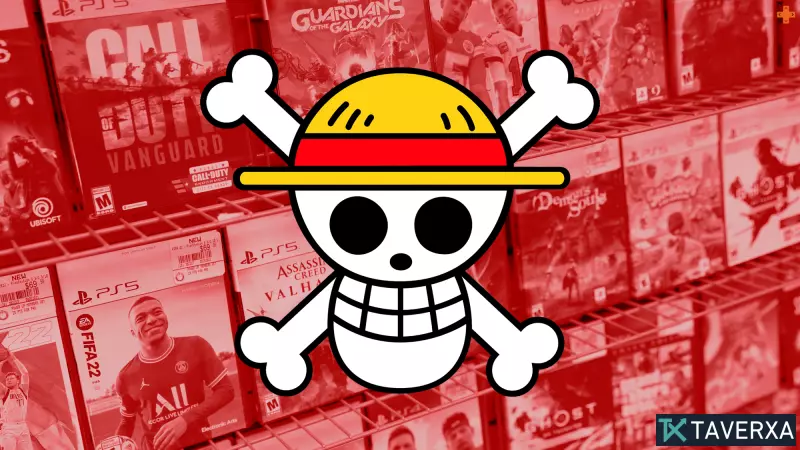
The gaming industry is currently facing a seismic shift that threatens the very foundation of how we collect and preserve interactive media. Following Sony's recent announcement that PlayStation intends to withdraw from the physical game market by January 2028, the community is in an uproar. This move is not an isolated incident but rather the culmination of a years-long trend toward total digitalization. The writing was already on the wall when industry giants like Rockstar Games teased the release of GTA 6 without a physical version, signaling a future where the 'disc' is a relic of the past.
For many, this isn't just a change in how games are delivered—it is a crisis of ownership. In a world of purely digital licenses, the player no longer owns the game; they merely rent access to it, a license that can be revoked at any time.
A Desperate Last Resort: Piracy as Preservation
While piracy is widely condemned as illegal and harmful to developers, a growing number of experts argue that it has become the only viable method for safeguarding the history of the medium. Frank Cifaldi, the director of the Video Game History Foundation (VGHF), recently weighed in on the debate, confirming a grim reality: piracy is currently the most effective form of game preservation.
Cifaldi, who has dedicated his professional life to archiving video games, expressed frustration with the industry's lack of cooperation. He revealed that the VGHF has attempted to collaborate with professional industry organizations to find a legal, sustainable framework for preserving games that are no longer sold. However, these organizations have consistently refused to offer any concrete alternatives. When the legal paths are blocked and the official servers are shut down, the only remaining copies of these cultural artifacts often exist in the 'shadow libraries' of the piracy community.
The Illusion of Digital Ownership
The core of the conflict lies in the concept of 'digital ownership.' When a user buys a digital game, they are typically purchasing a non-transferable license to use the software. This license is tied to a server. If the server disappears, the game disappears. We have already seen this occur with titles like The Crew, which was completely removed from players' libraries after Ubisoft shut down its servers.
Furthermore, the 'live-service' model allows developers to fundamentally alter games after purchase. Titles like the original Destiny have evolved so drastically that the original experience is effectively lost to time. This creates a paradox where a consumer pays for a product but has zero control over its longevity or integrity.
The Failed Legal Battle for 'Stop Killing Games'
Efforts to change this systemic issue have met with significant resistance. The 'Stop Killing Games' initiative attempted to lobby for laws that would force developers to leave games in a playable state (such as providing a standalone offline mode) after official support ends. However, the European Commission recently dampened these hopes, suggesting that there is no legal obligation for studios to ensure a game remains playable after its commercial lifespan.
The Commission cited intellectual property rights as the primary reason, effectively prioritizing the corporate right to kill a product over the consumer's right to access what they paid for. This legal stalemate leaves gamers in a precarious position: they must either accept the inevitable loss of their libraries or turn to the illegal world of ROMs and cracks to ensure that gaming's history doesn't vanish into a 404 error.
Conclusion: A Community at a Crossroads
As the transition to a 100% digital ecosystem accelerates, the gaming community finds itself at a crossroads. With platforms like GOG advocating for the respect of digital ownership, there is a glimmer of hope for a more ethical model. However, until the industry provides a legal alternative for long-term archiving, the paradox will remain: the very act of piracy that companies fight against may be the only reason future generations will be able to play the games of today.
Related Posts