Stop mold from spreading through your home via AC this summer
Don't let mold take over your home this summer. Learn the five essential steps to maintain your AC unit, prevent mold growth, and keep your indoor air clean during heatwaves.
The Hidden Dangers of Summer AC Usage
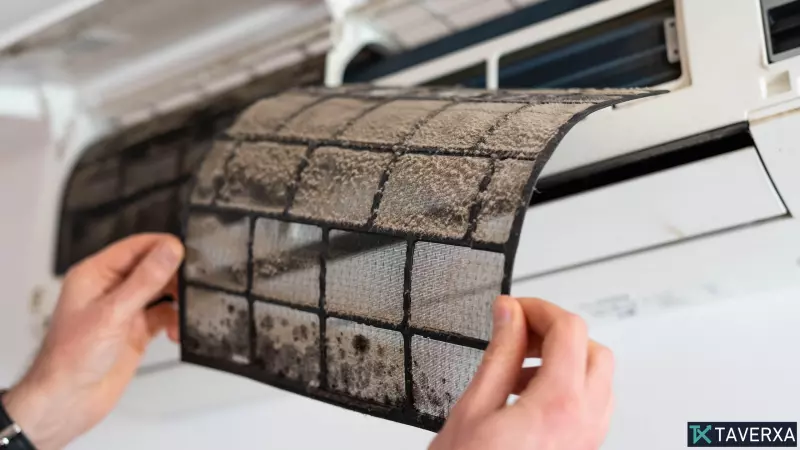
It is a common misconception that mold is primarily a winter issue associated with damp basements and bathrooms. However, the sweltering heat of summer creates the perfect environment for mold growth within your air conditioning system. As your AC works to combat the heat, it continuously cycles cool air over warm, humid air, which leads to significant condensation inside your ductwork. When this moisture combines with common household pollutants like dust, pollen, and organic debris, it forms a fertile breeding ground for mold that can quickly circulate throughout every room in your house, potentially compromising your indoor air quality.
1. Increase Filter Replacement Frequency
Your air conditioning filter serves as the primary barrier against contaminants. A clogged filter is not only detrimental to your system's efficiency but also acts as a trap for moisture and organic matter. During the peak summer months, when your AC unit is running almost non-stop, it is crucial to move from a 90-day maintenance cycle to a 30-60 day replacement schedule. Ensuring you have a fresh, clean filter allows for optimal airflow, preventing the stagnation that provides the ideal conditions for mold spores to colonize.
2. Maintain Your Outdoor Condenser
The outdoor component of your AC system is highly susceptible to external debris. Throughout the summer, grass clippings, leaves, and pollen can accumulate around the unit, obstructing airflow and trapping moisture inside the machine. You should inspect the area surrounding your outdoor unit weekly during heatwaves. Ensure that any nearby vegetation is trimmed back, and manually clear away any debris that may have settled near the condenser coils. Better airflow keeps the internal components dry and significantly lowers the risk of mold growth.
3. Keep Your Drain Pan Clear
The condensate drain pan is designed to collect the water produced when your system dehumidifies the air. If this drain becomes clogged—often due to algae or dust buildup—the resulting standing water becomes a major health hazard. Monthly inspections of this pan during the summer are vital. If you find standing water or blockages, clear them out immediately. A neglected drain pan is one of the fastest ways for mold to spread through your ventilation system.
4. Conduct Visual Inspections
Catching mold early is the best way to prevent an infestation from becoming a health crisis. Use a flashlight to periodically inspect your indoor vents for any signs of discoloration, fuzzy growth, or dark spots. Additionally, check the access points in your attic, basement, or utility room where your ductwork is exposed. If you notice persistent moisture or visible mold, address the issue immediately before it has the chance to spread throughout the entire home.
5. Invest in Professional Maintenance
While DIY maintenance is essential, there are areas of your HVAC system that require a professional touch. Deep within your ductwork, mold can grow undetected for long periods. It is highly recommended to schedule a professional duct cleaning every 3-5 years to remove deep-seated organic matter and spores. If you suspect an issue that you cannot reach or clear yourself, do not hesitate to contact an HVAC specialist, especially as summer heat can accelerate mold proliferation exponentially.