Sony TV Report Card 2026: Is the 'Sony Tax' Still Worth It?
We analyze Sony's 2026 TV lineup to determine if the premium 'Sony tax' is still justified by performance, design, and new display technologies.
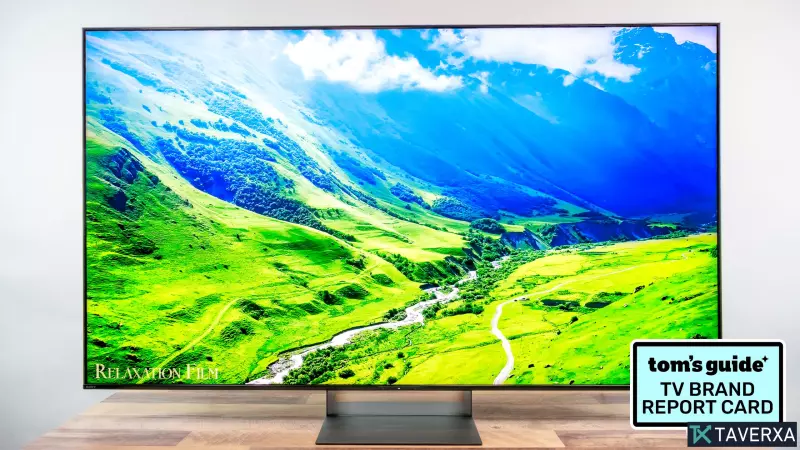
The Price of Premium: Evaluating Sony in 2026
Purchasing a new television is more than just a quick transaction; it is the beginning of a multi-year commitment to a specific brand's ecosystem, design philosophy, and image processing capabilities. As the market evolves in 2026, we have taken a deep dive into Sony's current lineup to see if their long-standing reputation for quality justifies the notorious 'Sony tax'—the significant price premium compared to competitors with similar specifications.
The Pricing Conundrum
There is no avoiding the elephant in the room: Sony TVs generally cost more. For example, the recently launched 65-inch Sony Bravia 7 II, which introduces the brand's 'True RGB' display technology, carries a retail price of approximately $1,999. When measured against options like the Hisense UR8, priced at $1,299, or even Samsung's $1,699 entry-level Micro RGB, Sony's position is clearly premium. While critics call it an overpriced tax, proponents argue that the meticulous engineering, superior motion handling, and industry-leading upscaling justify every dollar spent.
Design and Innovation
Sony has consistently remained a leader in aesthetic and functional design. In an era where many TVs look identical, Sony continues to offer clever, user-friendly solutions. Their top-tier 2026 model, the Bravia 9 II, features a unique pedestal stand with integrated, lenticular material designed to effectively hide cables, providing a clean, sophisticated look that remains unmatched by rival manufacturers.
Features and Connectivity
Historically, Sony has often lagged in feature parity, specifically regarding HDMI 2.1 implementation. However, 2026 marks a turning point. While the entry-level Bravia 3 II features a full suite of HDMI 2.1 ports, the flagship Bravia 9 II remains somewhat hampered by older chipset architecture, offering limited high-bandwidth inputs. It is clear the company is working to close this gap, but consistency remains a work in progress.
Performance: The Purist's Choice
Where Sony truly earns its keep is in pure image performance. Whether it is upscaling standard content or reproducing near-perfect color gradients, Sony remains the gold standard for picture accuracy. Their professional-grade approach ensures that viewers get a picture that mirrors the creator's original intent, often outperforming brighter, punchier sets from competitors.
Final Verdict
With an overall grade of B-, Sony’s 2026 offerings are laser-focused on home theater enthusiasts and those who value precision above all else. While the 'Sony tax' limits the accessible market for their products, the Bravia 9 II stands as a testament to what the company can achieve when pushing the boundaries of display technology. If your priority is the best possible picture quality, the extra cost remains an investment worth making.