Shadows Over the Pitch: Unpacking the Five Biggest Controversies of the 2026 FIFA World Cup
Explore the five biggest controversies of the 2026 FIFA World Cup, from political interference and VAR disputes to discriminatory entry bans and exorbitant ticket prices.
Introduction: A Tournament of Two Halves
The 2026 FIFA World Cup was promised to be a celebration of global unity and the beautiful game, spanning the vast landscapes of the United States, Canada, and Mexico. However, beneath the spectacle of world-class goals and roaring stadiums, the tournament has been marred by a series of high-profile scandals. From unprecedented political interference and discriminatory border policies to allegations of corporate greed, the 2026 edition has become as much a case study in institutional failure as it has been a sporting triumph.
As the tournament progresses toward its climax, Al Jazeera examines the five most significant controversies that have cast a shadow over the event's integrity.
1. The Geopolitical Gate: Discriminatory Entry Denials
One of the most poignant controversies began long before the first whistle. The exclusion of Somali referee Omar Abdulkadir Artan served as a flashpoint for criticism regarding U.S. immigration policies. Despite holding a valid visa and being recognized as the Confederation of African Football’s men’s official of the year in 2025, Artan was denied entry into the United States.
The Trump administration justified the denial by alleging links to "suspected terror organizations," though no evidence was provided to the public. This incident highlighted the broader impact of sweeping travel bans affecting citizens from 12 countries, including nations whose teams qualified for the tournament, such as Haiti, Iran, Senegal, and Ivory Coast. The reaction from FIFA was widely seen as tepid; President Gianni Infantino’s suggestion that critics should "chill and relax" sparked outrage, painting the governing body as complicit in the face of systemic discrimination.
2. Political Interference: The Folarin Balogun Reprieve
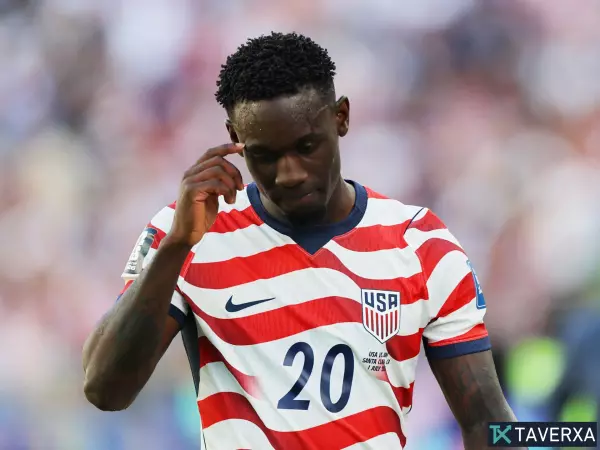
The independence of FIFA's judicial system was called into question following the controversial suspension of a red-card ban for U.S. striker Folarin Balogun. After receiving a red card, Balogun was slated to miss critical matches, but following direct intervention from U.S. President Donald Trump, the ban was unexpectedly suspended.
The move ignited a firestorm of criticism from UEFA and several national football associations, including Belgium, who argued that FIFA had "crossed a red line" by allowing a head of state to influence disciplinary outcomes. President Trump openly boasted about his role, claiming that preventing a "top player" from playing avoided a "big stain" on the tournament. This precedent has left many questioning whether the rules of the game apply equally to all, or if political leverage can override the rulebook.
3. The VAR Paradox: Technology vs. Tradition
While the Video Assistant Referee (VAR) system was designed to eliminate error, it has instead become a source of profound frustration. The most contentious moment occurred during Argentina's narrow 3-2 victory over Egypt in the Round of 16. Egypt seemed destined for a historic upset until a crucial goal by Mostafa Zico was overturned due to a foul in the build-up—a decision many pundits, including former England keeper Rob Green, described as being completely outside the spirit and scope of VAR review.
The friction continued in the quarterfinals, where Swiss forward Breel Embolo was issued a second yellow card for simulation after a lengthy VAR review. The inconsistency in how these reviews are applied has led to growing calls for a total overhaul of the system, with critics arguing that the "human element" of the game is being replaced by bureaucratic confusion.
4. The Price of Admission: Corporate Greed and Legal Battles
The 2026 World Cup has been criticized as a "billionaire's tournament" due to exorbitant ticket pricing. Reports revealed that Category Two tickets for the final at MetLife Stadium reached prices as high as $7,380. Even more shocking were the resale market listings, where some tickets were priced at a staggering $2 million each.
FIFA defended these prices by citing U.S. laws that allow for high-value resales, but the governing body now faces a legal reckoning. A subpoena from the states of New York and New Jersey has been issued as part of an ongoing investigation into pricing accuracy and the legitimacy of seat locations. For many fans, the dream of attending the World Cup has been replaced by a financial nightmare.
5. The 'Hydration' Heist: Commercializing Player Welfare
In a move marketed as a priority for player health, FIFA introduced mandatory three-minute "hydration breaks" in each half of every game. However, the policy has been widely mocked as a thinly veiled commercial venture. While heat was a factor in Miami and Mexico, the implementation of breaks in air-conditioned venues like Dallas and Vancouver suggested the primary motive was not medical, but financial.
Meteorologists and analysts have pointed out that these breaks effectively turn a football match into a four-quarter event, mirroring American sports formats to maximize advertising slots for TV networks. The consensus among fans and coaches is that these pauses disrupt the rhythm of the game and serve only to inflate the tournament's broadcast revenue.
Conclusion: A Legacy of Contradiction
The 2026 World Cup will undoubtedly be remembered for its athletic brilliance, but its administrative legacy is far more complex. Between the intersection of sports and geopolitics, the struggle for officiating consistency, and the relentless pursuit of profit, the tournament has exposed the deep fractures within FIFA’s leadership. As the world awaits the final whistle, the question remains: can the beautiful game ever truly be separated from the ugly realities of power and money?