Nintendo Switch 2 OLED Rumors: A Premium Upgrade Hindered by Production Costs
New reports suggest Nintendo is developing an OLED version of the Switch 2, but rising production costs and high retail prices may delay or complicate its launch.
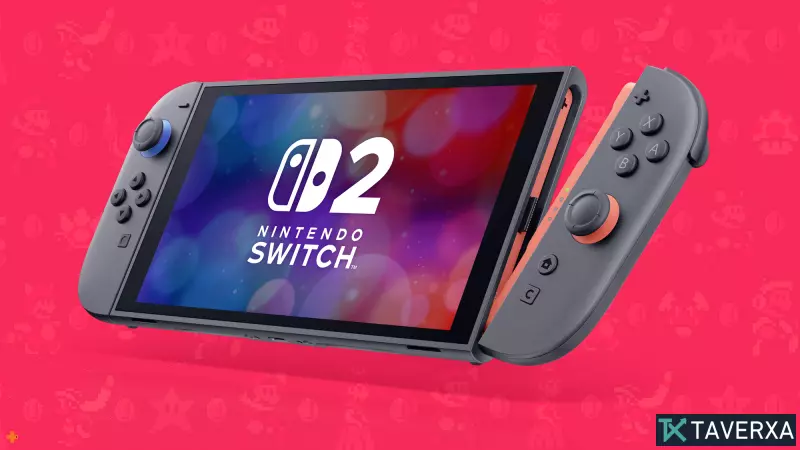
The gaming industry is buzzing with new reports suggesting that Nintendo is actively exploring the development of an OLED version for its upcoming console, the Nintendo Switch 2. While the base model of the successor to the wildly successful hybrid console has already captured the attention of fans, recent leaks from industry insiders—notably reported by the tech publication ZDNET—indicate that a more premium, display-focused variant is on the drawing board.
The Move Toward Enhanced Visuals
According to anonymous sources, Nintendo is investigating the potential for a high-end OLED model, likely once again partnering with Samsung for display manufacturing. The primary upgrade over standard LCD models would involve a shift to a 1080p resolution for the handheld screen, offering sharper imagery and deeper contrast compared to the previous generation's 720p output. This aligns with consumer expectations for a modern portable experience, particularly as mobile gaming visual standards continue to rise.
The Pricing Dilemma
The most significant obstacle currently facing the project is the cost of components. The integration of advanced OLED panels significantly widens the price gap between the LCD and OLED versions. With current economic pressures and the rising cost of hardware components across the board, Nintendo is reportedly hesitating to commit to a production timeline. Executives are concerned about potential retail price points, especially at a time when the broader gaming market is bracing for premium-priced hardware from competitors.
Potential Timeline and Market Outlook
While rumors suggest that Nintendo could authorize production as early as the end of 2026, a public release remains speculative, likely targeting a 2027 or 2028 window. By waiting, the company hopes to see if component costs stabilize, allowing them to release a premium SKU that remains accessible. Analysts note that this strategy follows the trajectory of the original Switch, which introduced its OLED model mid-cycle as a hardware refresh. Whether the market is ready for a significantly more expensive Nintendo console remains the billion-dollar question for the Kyoto-based gaming giant.
Related Posts