India’s Accelerated Ethanol Mandate Sparks Consumer Backlash and Political Debate
India's rapid transition to E20 ethanol-blended petrol is causing public anger over vehicle performance and fueling a heated political debate. Read more about the controversy.
India has reached a critical juncture in its energy transition as the government’s aggressive push for E20 fuel—a mixture comprising 20 percent ethanol and 80 percent petrol—faces mounting resistance from vehicle owners across the nation. While the policy was designed to enhance energy security, reduce carbon footprints, and bolster farmer income, the rapid implementation has left millions of motorists grappling with performance issues and maintenance uncertainties.
The Shift to E20
Under the National Policy on Biofuels, the Indian government accelerated its timeline, mandating the transition to E20 fuel by 2025. What was intended to be a flagship green initiative has become a point of contention. Motorists report a notable decline in fuel efficiency, with many claiming a drop of over 10 percent in mileage. Beyond fuel economy, drivers are experiencing sluggish acceleration, particularly when the air conditioning is active or when climbing inclines.
Compatibility and Mechanical Concerns
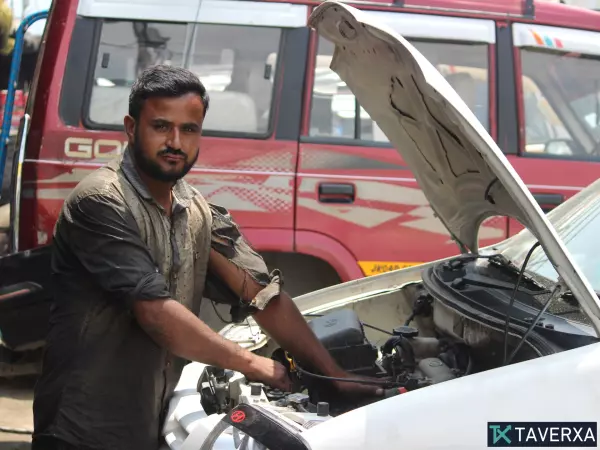
A significant portion of the frustration stems from the large volume of older vehicles on Indian roads. While modern vehicles are designed to handle higher ethanol content, legacy models were not optimized for such mixtures. Expert mechanics note that ethanol’s corrosive nature can degrade rubber hoses, seals, and gaskets over time. Independent experts suggest that the government failed to provide adequate public education regarding the long-term impact on non-compatible engines, leading to widespread anxiety among car owners.
Official Stance and Allegations of Conflict
The Ministry of Petroleum and Natural Gas has dismissed claims of widespread engine damage as "unfounded," citing research from the Automotive Research Association of India. However, the political landscape has darkened around the policy. The issue of potential conflict of interest has surfaced, specifically concerning Transport Minister Nitin Gadkari, as his family holds stakes in companies involved in ethanol production. Although Gadkari has denied these allegations, the optics have fueled opposition protests and public skepticism.
Future Outlook
As India continues to balance its ambitious environmental goals with the practical realities of its automotive sector, the debate over the E20 mandate serves as a case study in the complexities of green policy. Unlike countries like Brazil, which have decades of experience with flex-fuel systems, India’s transition remains fraught with challenges, including the need for greater transparency regarding fuel compatibility and more robust support for consumers navigating the hidden costs of this transition.