I Tested the New Dell XPS 13 for Two Weeks: 3 Things I Love (and 1 I Hate)
I tested the new $699 Dell XPS 13 for two weeks. Here is a breakdown of the three features that make it a winner and one major design flaw that might bother you.
A New Contender in the Budget Laptop Space
The landscape of affordable laptops has shifted dramatically with the release of the new Dell XPS 13 (2026). Priced at an accessible $699, this machine challenges the notion that entry-level computing must result in compromised quality or lackluster performance. Having spent two weeks using this device as my primary daily driver, I've gathered clear insights into its strengths and its sole glaring drawback.
The Allure of Premium Portability
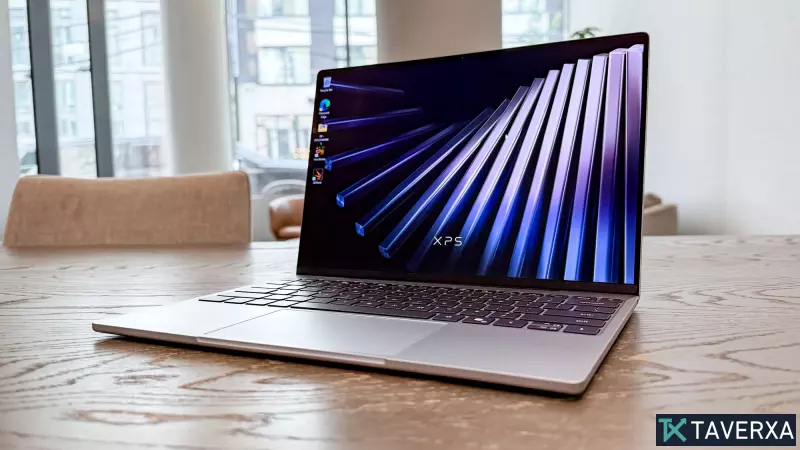
Design is where the Dell XPS 13 immediately stands out. It features a robust CNC aluminum chassis that exudes a premium feel, easily rivaling the build quality of more expensive competitors, including the highly popular MacBook Neo. It is remarkably lightweight and thin (0.5 inches), making it an ideal companion for commuters and frequent travelers. Beyond its structural integrity, Dell has implemented thoughtful usability improvements, such as a physical lid lip that makes opening the device effortless and a spacious, traditional keyboard layout that avoids the cramped feel of earlier, more experimental XPS models.
A Standout Display
Rarely do we see display quality this high on a laptop in the $699 price tier. The 13.4-inch InfinityEdge 2.5K touch display provides sharp, vibrant visuals that hold up well for both productivity and entertainment. While it may not reach the heights of OLED, it delivers accurate color representation and decent HDR brightness. The inclusion of touchscreen support adds a layer of versatility that remains absent in many competing notebooks, offering a tangible boost to productivity for those who prefer tactile interaction.
Performance and Battery Endurance
Equipped with an Intel Core 5 "Wildcat Lake" processor and 8GB of RAM, this machine is not designed for heavy-duty video editing or intensive gaming. However, for everyday office tasks, web browsing, and media consumption, it shines. Even under the pressure of 20-25 browser tabs, the system remains responsive. More impressively, the battery life is stellar; in our testing, it clocked in at over 14 hours, ensuring it can easily handle a full workday and beyond without needing a charger.
The One Major Downside
Despite the glowing praise for its portability and screen, there is one feature missing that hampers the experience: the lack of a 3.5mm headphone jack. While most users have moved to wireless earbuds, the absence of this legacy port is a persistent frustration in office settings where audio privacy is required. Being forced to rely entirely on Bluetooth headsets creates an unnecessary friction point in an otherwise near-perfect design.
Final Thoughts: Is It Worth It?
The Dell XPS 13 (2026) is undoubtedly one of the best value-driven Windows laptops currently on the market. It effectively balances premium aesthetics, a gorgeous display, and impressive battery longevity. If you can live without a physical headphone jack, this machine offers an exceptional return on investment, serving as a powerful yet affordable tool for the modern professional.