Hidden Crisis: WHO Warns Ebola Outbreak in DR Congo Could Be Double Official Figures
WHO warns that Ebola cases in DR Congo may be 2-4 times higher than official tallies as healthcare workers threaten strikes over unpaid wages.
A Growing Public Health Emergency
The World Health Organization (WHO) has issued a stark warning regarding the ongoing Ebola epidemic in the Democratic Republic of the Congo (DRC), suggesting that the true scale of the outbreak may be significantly higher than official reports indicate. While current data confirms 1,963 cases and 719 deaths, health officials fear that the actual number of infections could be two to four times higher than the current tally.
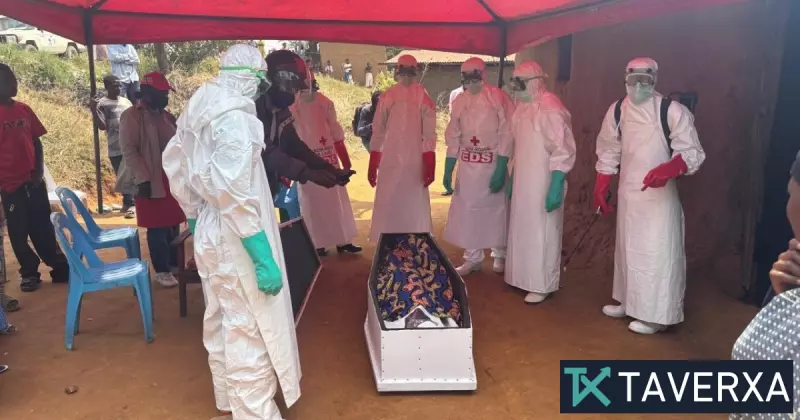
Chikwe Ihekweazu, the Executive Director of the WHO’s Health Emergencies Programme, revealed after a visit to the region that a vast majority of deaths are occurring within family environments rather than in clinical settings. This lack of medical oversight during the final stages of the disease leads to massive underreporting, masking the true trajectory of what experts describe as the fastest-growing Ebola outbreak ever recorded on the African continent.
The Epicentre and the Bundibugyo Strain
The current crisis, which began on May 15, marks the DRC's 17th Ebola epidemic. Unlike previous outbreaks, this surge is caused by the Bundibugyo virus. The medical community is facing a critical hurdle: there is currently no approved vaccine or specific treatment for this particular strain of the virus.
The outbreak is concentrated in eastern Congo, with five provinces affected, including Tshopo and Haut-Uele. The Ituri province has emerged as the epicenter, recording at least 384 confirmed cases and 89 deaths. The virus has also crossed borders, with 20 cases and two deaths reported in neighboring Uganda, raising fears of a wider regional health crisis.
Healthcare Workers on the Brink
The response effort is being severely crippled by internal labor unrest. In Rwampara, a high-transmission area in the Ituri province, healthcare workers have resorted to burning tires and blocking access roads to protest unpaid salaries. Many physicians have reported going without pay since mid-May.
"Since May 15, we have been caring for Ebola patients without pay. We continue to treat them because of our oath, but we are working under very difficult conditions," stated Dr. Pascal Bahoya. The desperation has reached a tipping point, with medical staff issuing a 48-hour ultimatum before initiating a "total strike," which would halt all minimum services at critical treatment centers.
Government Response and International Aid
Congolese Health Minister Samuel Roger Kamba has acknowledged the payment delays, attributing them to "organisational issues." The government claims it is currently auditing payroll lists to ensure funds reach active workers and to remove "ghost names" from the system.
Despite the administrative turmoil, the international community has not remained idle. African nations and global partners have mobilized approximately $1.5 billion to support the health response. Currently, clinical trials are underway to test two potential treatments, offering a glimmer of hope in the absence of a vaccine.
As of mid-July, 727 patients remain in treatment centers. However, the combination of an elusive virus strain, underreported community deaths, and a demoralized workforce threatens to undermine the efforts to contain the virus before it spreads further across the region.