Digital Legacies: China's Bold Move to Allow Inheritance of Gaming Accounts
China leads the way in recognizing digital assets by allowing the inheritance of gaming accounts, challenging the policies of Steam and PlayStation.
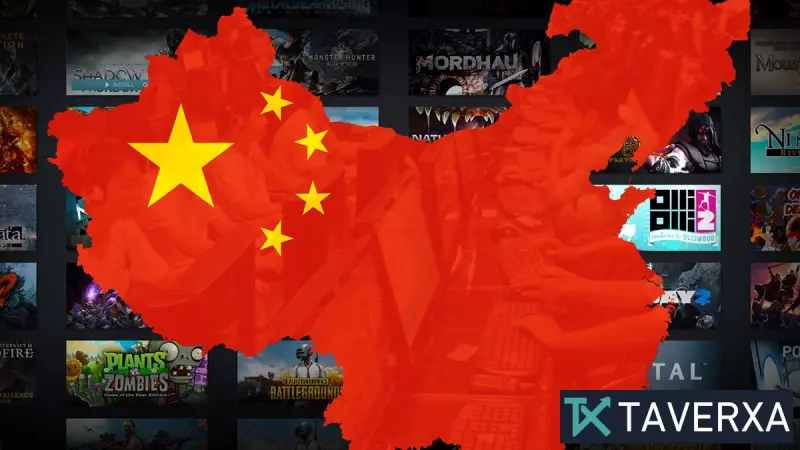
A New Era for Digital Ownership
In an era where the vast majority of our entertainment and social interactions have migrated to the cloud, the question of digital ownership has become a contentious legal battleground. While most global gaming giants treat digital purchases as temporary licenses rather than permanent ownership, China is taking a progressive step toward redefining the digital afterlife. Recent legal developments in China have begun to recognize the right to inherit digital assets, including gaming accounts and virtual items, marking a significant shift in how virtual property is viewed under the law.
The Legal Shift in Digital Assets
For years, the standard Terms of Service (ToS) for platforms like Steam, PlayStation Network, and Xbox Live have explicitly stated that accounts are non-transferable. Upon the death of a user, these accounts typically become dormant or are permanently deleted, regardless of the thousands of dollars spent on digital libraries and rare in-game collectibles. However, Chinese courts have started to interpret digital accounts as a form of property that carries economic value and emotional significance, allowing them to be passed down to heirs.
This move recognizes that a gaming account is not just a set of credentials, but a repository of time, effort, and financial investment. By allowing the legal transfer of these accounts, China is treating digital legacies with the same weight as physical estates.
Why PlayStation and Steam Should Take Note
The contrast between China's approach and the policies of Western giants like Valve (Steam) and Sony (PlayStation) is stark. Currently, if a dedicated gamer passes away, their entire library—often spanning decades of gaming history—effectively vanishes. This creates a frustrating experience for grieving families who wish to preserve a loved one's legacy or reclaim the value of the digital purchases.
Industry analysts argue that implementing a "Digital Will" or a formal inheritance system would not only benefit consumers but also improve brand loyalty. By providing a clear, legal pathway for account succession, platforms could alleviate the ethical concerns surrounding the 'rental' nature of digital gaming.
The Challenges of Global Implementation
Implementing such a system globally is not without hurdles. Platforms would need to navigate a complex web of international privacy laws, such as the GDPR in Europe, and ensure that security measures prevent fraudulent claims to accounts. There is also the question of account security; how does a platform verify a death certificate and a legal heir without compromising the privacy of the deceased?
Despite these challenges, the precedent set in China proves that it is legally possible to decouple a digital account from a single biological identity and treat it as a transferable asset.
Conclusion: The Future of the Digital Estate
As we move further into the age of digital-only media, the concept of 'buying' a game is becoming a misnomer—we are merely paying for access. China's willingness to grant inheritance rights to digital accounts challenges this status quo. If Steam, PlayStation, and other industry leaders wish to evolve alongside their users, they must stop viewing accounts as disposable licenses and start treating them as meaningful assets that can be passed from one generation to the next.
Related Posts