Behind the Scenes of F1 Strategy: How Aston Martin Uses Artificial Intelligence to Win
We take a deep look at how F1 teams like Aston Martin are leveraging machine learning and generative AI to gain a competitive edge in race strategy.
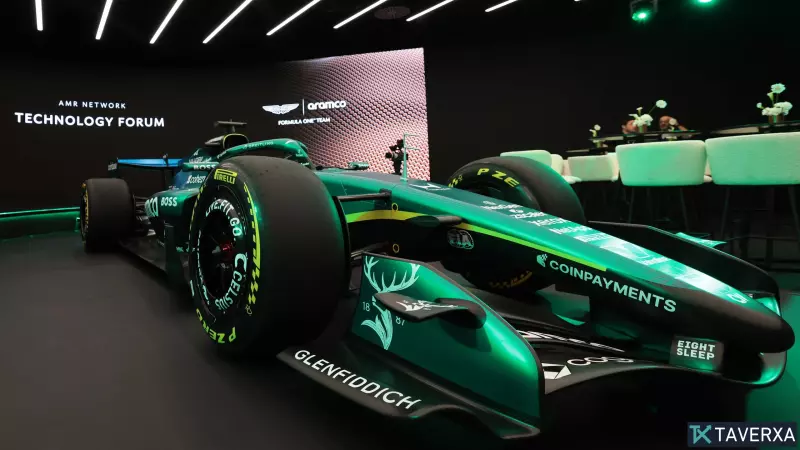
The Invisible Power of AI in Formula 1
In the high-stakes world of Formula 1, viewers often find themselves captivated by the raw spectacle of wheel-to-wheel racing, blistering overtakes, and the adrenaline of sub-two-second pit stops. However, according to Fabrizio Pilotti, Chief Innovation Officer for Aston Martin F1, television broadcasts capture only a fraction of the reality. Beneath the surface, a complex battle of algorithms and data is unfolding, where artificial intelligence plays a crucial role in deciding which team gains the competitive edge.
Machine Learning vs. Generative AI
To truly understand how F1 teams operate, one must distinguish between the two primary types of AI utilized on the grid. Machine learning, the more familiar cousin, is used to ingest massive datasets—roughly 50 petabytes per race weekend—to identify patterns and provide actionable insights. With over 250 sensors on a modern F1 car, machine learning helps engineers understand how changing variables like fuel load, tire degradation, and track conditions impact performance in real-time.
Generative AI, however, is where modern strategy takes a quantum leap. By analyzing decades of historical racing data, generative models help teams formulate sophisticated race strategies, such as determining the optimal timing for pit stops to maximize track position.
The 'AI Strategy' Behind Success
Pilotti points to Lewis Hamilton’s victory in Barcelona as a prime example of AI-driven strategy. While the conventional human approach favored a conservative two-stop race, an AI-informed strategy identified a more unconventional, triple-pit-stop path to victory. To the seasoned fan, these decisions might look unusual or counterintuitive, but they are often the result of complex simulations that predict outcomes human minds might overlook.
The Human Element: Keeping the 'Loop' Intact
Despite the rapid integration of advanced technology, both Pilotti and Commercial Technology Ambassador Eric Ernst stress that AI is a tool, not a replacement for human intuition. Within the Aston Martin headquarters, the legendary designer Adrian Newey continues to rely on traditional drafting boards alongside high-tech simulation tools. As Ernst puts it, AI is there to handle the data-heavy lifting, but the final, high-stakes decisions remain firmly in the hands of the human team.
As Aston Martin looks toward future 'B-spec' car builds and improvements, the team remains committed to the interplay between human expertise and algorithmic precision. While the current season has presented challenges, the drive to find that 'magic 10%' of performance continues to push them further into the age of intelligent racing.