Behind the Facade: Why Andy Burnham’s Premiership Signals Continuity, Not Change
As Andy Burnham takes office as UK Prime Minister, his administration faces scrutiny over whether it represents real change or just a PR shift from the failed policies of his predecessor.
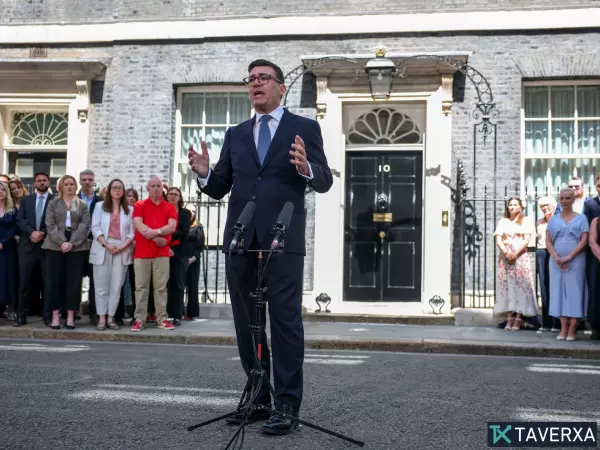
As Andy Burnham assumes the office of British Prime Minister following the resignation of Keir Starmer, the political landscape in the UK stands at a critical juncture. While Burnham is being marketed as a fresh start for a Labour Party struggling with declining support and internal instability, a closer examination suggests that his leadership may be little more than a polished continuation of his predecessor's policies.
The Illusion of the Outsider
Burnham, often hailed as the 'King of the North' for his tenure as Mayor of Greater Manchester, has cultivated an image as a departure from the London-centric Westminster elite. However, critics are quick to point out that despite this regional branding, he remains a product of the same Oxbridge-educated establishment that has dominated British politics for decades. His rise to power, facilitated by parliamentary maneuvering, raises questions about his commitment to truly radical reform.
Complicity and Foreign Policy
The most glaring contradiction in the new administration's narrative lies in its stance on the Middle East. Despite a recent, carefully curated video apology in which Burnham suggested Labour 'didn’t get it right' on Gaza, there remains a deep-seated disconnect between his rhetoric and his historical record. Since 2015, Burnham has been a member of Labour Friends of Israel and has previously taken a firm stance against the Boycott, Divestment, and Sanctions (BDS) movement.
The Machinery Remains Intact
Concerns about the new Prime Minister's direction are further fueled by his staffing choices. The appointment of James Purnell—a former chair of Labour Friends of Israel and a lobbyist with deep ties to the arms and tech sectors—as chief of staff signals that the ideological machinery that underpinned Starmer's administration remains firmly in place. This move, experts argue, suggests that while the spokesperson has changed, the underlying policy framework, particularly regarding arms sales and foreign intervention, is unlikely to shift significantly.
A Future Defined by Policy or PR?
Burnham has signaled a focus on social housing and coalition-building to address the nation’s fractures. Yet, these initiatives are being viewed by skeptics as strategic PR efforts designed to pacify a disillusioned grassroots base. Without a fundamental dismantling of the structures that fueled the failures of the previous government, many fear that the 'Burnham era' will simply perpetuate the status quo, leaving the core issues of British political life untouched.