Asus ROG Zephyrus G16 (2026) Review: A Portable Powerhouse with a Punishing Price Tag
The Asus ROG Zephyrus G16 (2026) fixes past battery and performance issues, but does its premium OLED screen and RTX 5080 justify the massive price hike?
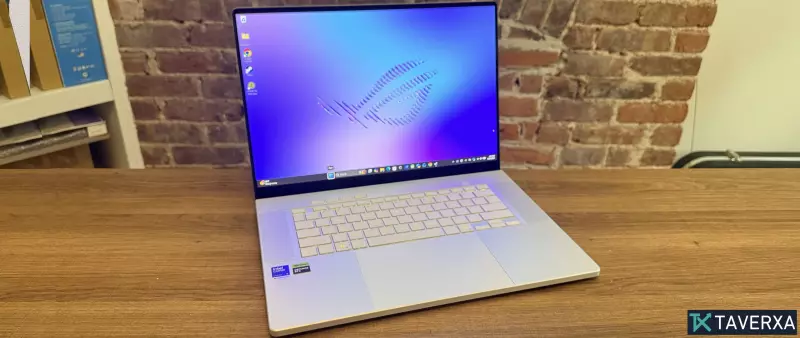
The Return of a Gaming Icon
The Asus ROG Zephyrus G16 has long been a staple for gamers who refuse to compromise between portability and power. However, the 2025 iteration left a sour taste in the mouths of many reviewers, plagued by a disappointing keyboard, lackluster battery life, and a price point that felt disconnected from its value. Fast forward to 2026, and Asus has returned with a version that fixes several critical mistakes—but it comes with a financial cost that may be too steep for the average enthusiast.
Design and Build: Sophisticated Portability
At first glance, the 2026 Zephyrus G16 maintains the sleek, professional aesthetic that makes it a favorite for STEM students and working professionals. The chassis is crafted from high-grade aluminum, featuring the signature chrome stripe running diagonally across the lid and a subtly embossed Republic of Gamers logo. It is an understated design that fits as well in a boardroom as it does in a gaming den.
Inside, the experience is equally refined. Slim bezels surround the screen, and a massive edge-to-edge touchpad provides a seamless navigation experience. The build quality remains top-tier, ensuring the device feels robust despite its slim profile, weighing in at a manageable 4.3 pounds.
Display and Audio: A Visual and Auditory Feast
The centerpiece of the G16 is its 16-inch OLED display. With a 240Hz refresh rate and a resolution of 2,560 x 1,600, the screen is breathtaking. Our testing showed an average SDR brightness of 469 nits, peaking at a staggering 1,052 nits in HDR mode. Whether you are editing 4K video or diving into a visually immersive RPG, the colors are vibrant and the blacks are perfectly deep.
The audio experience is equally impressive. The top-firing quad-speaker system, tuned with Dolby Atmos, delivers crisp clarity and surprising volume. Even with the cooling fans ramping up during intense gaming sessions, the audio remains audible and rich, reducing the constant need for headphones.
Performance: Raw Power and Next-Gen Graphics
Under the hood, the 2026 model is a beast. Powered by the Intel Core Ultra 9 386H and the Nvidia GeForce RTX 5080, the performance gains over the previous generation are tangible. In multicore benchmarks like Geekbench 6 and Handbrake, the G16 shows a significant jump in efficiency and raw power, even edging out competitors like the Razer Blade 16 in certain multithreaded tasks.
Gaming performance is where the RTX 5080 shines. In titles like Doom: The Dark Ages, the G16 achieves over 200fps at 1600p with DLSS enabled. Even in demanding titles like Cyberpunk 2077 and Black Myth: Wukong, the machine holds its own, delivering a smooth, high-fidelity experience that justifies the 'gaming' moniker.
Battery Life: The Great Improvement
Perhaps the most significant victory for the 2026 model is the battery life. While gaming laptops are notorious for dying quickly, the Zephyrus G16 now lasts over 13 hours and 45 minutes during standard web browsing tests. This puts it ahead of the Razer Blade 16 and far beyond the Lenovo Legion Pro 7i.
However, it is important to note that this endurance applies to productivity. Once the discrete GPU kicks in for gaming, battery life plummets to around 55 minutes. For any serious gaming session, the charger remains a necessity.
The Trade-offs: Price and Legacy Issues
Despite the improvements, the Zephyrus G16 is not without its flaws. The most glaring issue is the cost. Starting at $3,699 for the RTX 5070 Ti model and climbing to $4,799 for the reviewed RTX 5080 configuration, it has moved far beyond the reach of most students. This price hike is attributed partly to supply chain memory shortages, but the steady upward trend in pricing makes it a hard pill to swallow.
Additionally, Asus has failed to update two key areas: the keyboard and the power brick. The chiclet keyboard remains lackluster and uninspiring for a premium machine. More frustrating is the proprietary 250W power brick; while the laptop is light, the charger adds another 1.3 pounds to your bag, detracting from the overall portability.
Verdict: Power at a Premium
The Asus ROG Zephyrus G16 (2026) is an engineering marvel that succeeds in blending high-end performance with a slim form factor. It fixes the battery issues of the past and elevates the CPU/GPU experience to new heights. However, the exorbitant price and outdated charging solution prevent it from being a perfect machine. It is a fantastic choice for those with deep pockets who need a powerful, commutable STEM or gaming machine—just be prepared to pay a massive premium for the privilege.
Related Posts